

 English
 中文简体
中文简体 русский
Scissor Saw Machine Maintenance Tips to Maximize Machine Lifespan
Equipment longevity is a key concern for workshops handling regular cutting tasks. Among the tools that require careful upkeep, the Scissor Saw Machine benefits greatly from consistent maintenance. Following a structured approach ensures that the machine continues to function reliably while supporting accurate and safe operation. Understanding which areas require attention and establishing a daily or weekly routine helps operators protect both the equipment and the quality of their work.
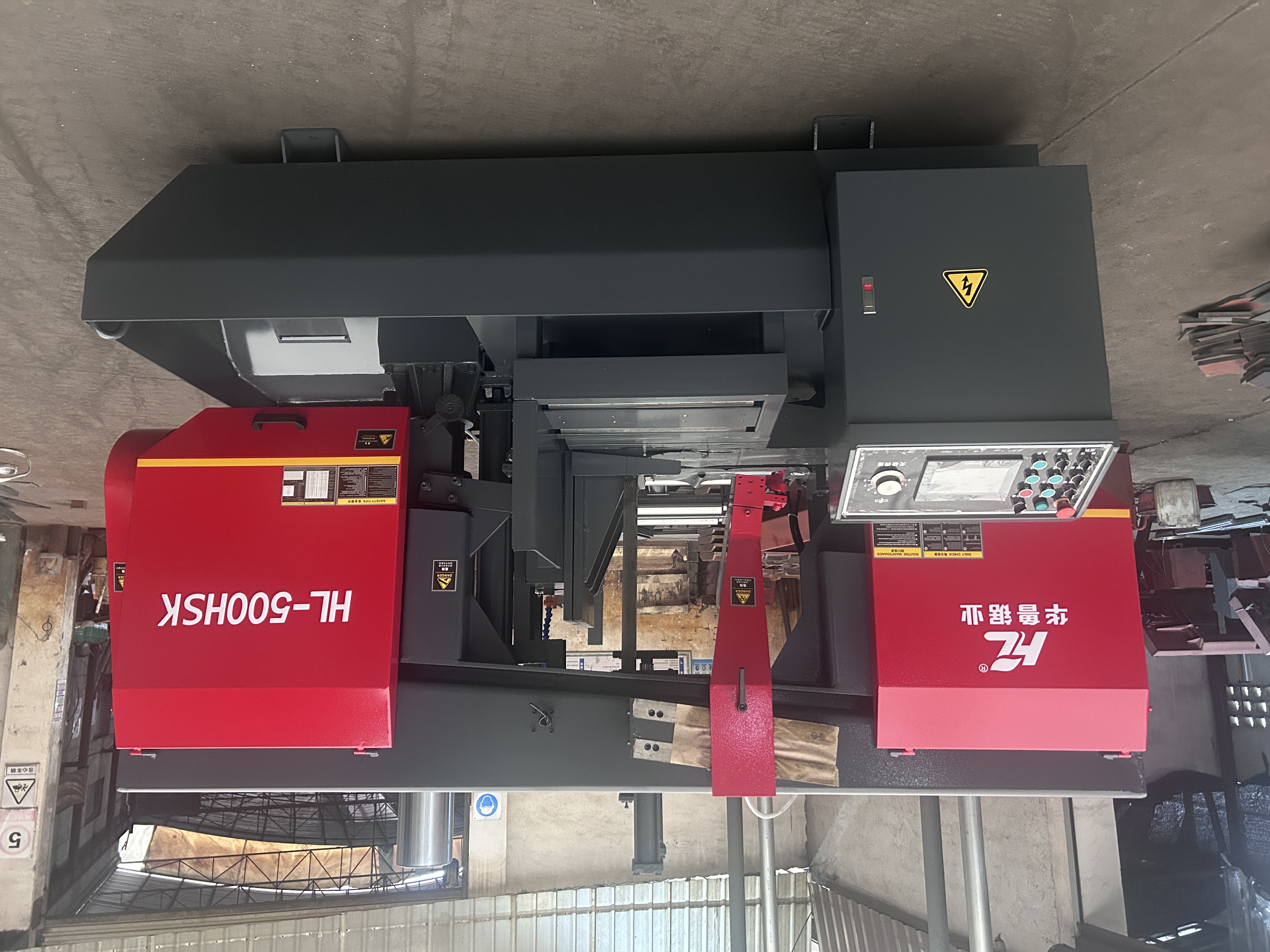
Regular Blade Inspection and Cleaning
The cutting blade is one of the most crucial parts of the machine. Over time, debris from wood, metal, or other materials can accumulate and interfere with cutting performance. Operators should examine the blade for any signs of wear, including minor chips, uneven edges, or dullness. Cleaning the blade thoroughly after each use ensures smooth operation and helps prevent strain on the motor and mechanical components. Proper handling and storage of replacement blades also contribute to maintaining their effectiveness over time.
Lubrication of Moving Components
The scissor arms, guide rails, hinges, and other mechanical parts require consistent lubrication. Regular application of recommended lubricants reduces friction and ensures smoother movement during operation. Without proper lubrication, mechanical wear can increase, and cutting performance may decline. Keeping a maintenance schedule that includes lubrication routines helps preserve the machine’s overall condition and supports consistent cutting results.
Checking Electrical Systems
The Scissor Saw Machine relies on a stable and safe electrical system to operate effectively. Daily inspection of power cords, switches, and connections is necessary to identify signs of wear, damage, or overheating. Ensuring that electrical components are functioning correctly prevents unexpected shutdowns or hazards. Operators should address any issues promptly and document the findings, which contributes to ongoing monitoring of the machine’s condition.
Alignment and Adjustment
Maintaining proper alignment of the blade and mechanical components is essential for accurate cuts and consistent performance. Regular checks help identify any shifts or misalignments that could develop through repeated use. Adjustments should be made following the manufacturer’s guidelines to ensure that the machine continues to produce uniform results. Correct alignment also reduces stress on parts and prevents uneven wear.
Safety Device Inspection
Safety features such as clamps, guards, and emergency stops must be checked regularly. Ensuring that these devices operate correctly protects operators and prevents accidents that could damage the machine. Confirming that adjustments and safety mechanisms are functioning properly allows operators to focus on precise cutting without concern for unexpected hazards. Incorporating safety checks into maintenance routines strengthens the overall workflow and supports a safer work environment.
Documentation and Maintenance Logs
Keeping detailed records of maintenance activities helps track the condition of the Scissor Saw Machine over time. Logging inspections, lubrication, blade changes, and any repairs enables operators and supervisors to identify recurring issues and plan future maintenance more effectively. Consistent record-keeping supports informed decisions about parts replacement, operational adjustments, and overall workflow planning.
Additional Care Recommendations
Other practical measures include monitoring environmental conditions, such as temperature, humidity, and dust accumulation, which can affect machine performance. Operators should also ensure that the workspace is organized and that materials are positioned correctly before cutting. Training staff on proper operational techniques and handling procedures further protects the machine while promoting consistent output. Following these guidelines complements regular maintenance routines and supports the machine’s reliable operation.
Structured and thorough maintenance routines help ensure that a Scissor Saw Machine continues to perform reliably over an extended period. Regular inspection, cleaning, lubrication, alignment checks, and safety verification all contribute to preserving both the machine and its cutting performance. By adopting consistent practices and documenting all activities, workshops can maintain efficient workflows, reduce unexpected disruptions, and protect their investment in essential equipment.


Provide customers with pre-sales professional training, installation, and debugging during sales, solve practical operation problems, and provide long-term technical consultation.
-

+86-0578-3016831
-

+86-0578-3016831
-

-

No. 39, Yahua Road, New District, Huzhen Town, Jinyun County
Copyright © Zhejiang Hongyun Sawing Machine Co., Ltd.

Metal Band Sawing Machine Manufacturer