

 English
 中文简体
中文简体 русский
Scissor Saw Machine Applications Across Woodworking and Metalworking
Workshops that handle diverse materials require equipment capable of adapting to different cutting needs. The Scissor Saw Machine serves as a versatile solution for both woodworking and metalworking environments. Its design allows operators to perform precise cuts on a variety of materials while maintaining stable performance.
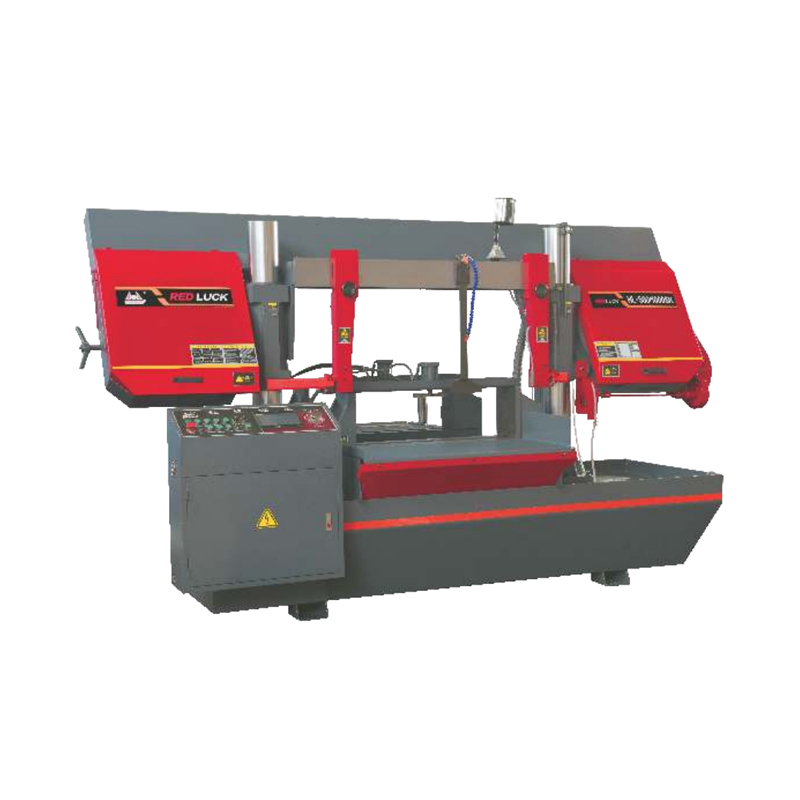
Woodworking Applications
In woodworking, the Scissor Saw Machine is often used for cutting boards, panels, and other components that require accuracy. Adjustable angles and blade types allow operators to tailor the cuts to specific project requirements. Furniture workshops, cabinetry operations, and carpentry studios can benefit from the machine’s stability and repeatable precision. Proper clamping of wood pieces and consistent feeding techniques help ensure that cuts remain straight and smooth. Regular attention to blade condition and alignment contributes to maintaining quality over repeated operations.
Metalworking Applications
Metalworking tasks also benefit from the Scissor Saw Machine’s capabilities. Cutting metal sheets, pipes, and structural components requires careful adjustments to blade speed, material support, and pressure. The machine can handle different types of metals when operators follow appropriate guidelines. Ensuring that the metal is securely positioned and that the blade is suitable for the material type reduces wear and improves cutting consistency. The precision provided by the machine supports fabrication tasks where uniformity and fit are important.
Adapting to Multiple Materials
Many workshops face projects that involve a combination of wood, metal, or synthetic materials. The Scissor Saw Machine can be adapted for these tasks by changing blades and adjusting operational settings. Operators should be trained to recognize the differences in material hardness, thickness, and surface texture. Using the correct cutting parameters for each material helps maintain precision and reduces the risk of damage to the machine. Adaptability is a key feature that makes the machine useful across varied production environments.
Operator Techniques for Effective Use
The role of the operator is significant in achieving consistent results with a Scissor Saw Machine. Attention to alignment, cutting speed, and pressure applied during operation influences the quality of the output. Regular monitoring during the cutting process allows adjustments to maintain straight lines and smooth surfaces. Operators should also follow recommended handling techniques for different materials to minimize wear on the blade and machine components. Proper training and awareness of operational procedures enhance both productivity and quality.
Maintenance Practices Supporting Multi-Material Use
Routine maintenance is essential when the Scissor Saw Machine is used across different materials. Cleaning blades, guides, and clamps prevents buildup that could affect cutting accuracy. Lubricating moving parts reduces friction and allows smooth transitions between tasks. Inspecting blades for wear or damage ensures that cuts remain uniform, regardless of material type. By combining these maintenance practices with proper operation, workshops can sustain performance and extend the service life of the machine.
Industrial and Workshop Benefits
Employing a Scissor Saw Machine for both woodworking and metalworking brings flexibility and efficiency to workshops. It allows a single machine to handle multiple tasks, reducing the need for separate specialized equipment. Consistent cuts improve overall production quality, while adaptability helps meet varying project demands. When used correctly, the machine supports a smoother workflow, reduces material waste, and contributes to reliable scheduling in both small and larger operations.
The Scissor Saw Machine proves useful in diverse workshop settings, from woodworking to metalworking. Its ability to adapt to different materials and cutting requirements makes it a practical tool for achieving reliable and precise results. Proper operator technique, careful handling of materials, and regular maintenance all play a role in maximizing performance and extending machine lifespan. Structured use ensures consistent output and supports efficient, organized workshop operations.


Provide customers with pre-sales professional training, installation, and debugging during sales, solve practical operation problems, and provide long-term technical consultation.
-

+86-0578-3016831
-

+86-0578-3016831
-

-

No. 39, Yahua Road, New District, Huzhen Town, Jinyun County
Copyright © Zhejiang Hongyun Sawing Machine Co., Ltd.

Metal Band Sawing Machine Manufacturer