

 English
 中文简体
中文简体 русский
Scissor Saw Machine Enhances Cutting Precision for Industrial Applications
In industrial environments, maintaining accurate and consistent cuts is essential for both efficiency and product quality. Among the tools used for these purposes, the Scissor Saw Machine offers a practical solution for handling a wide range of materials. Its design and operational features allow workshops to achieve reliable cutting results while managing workflow effectively.
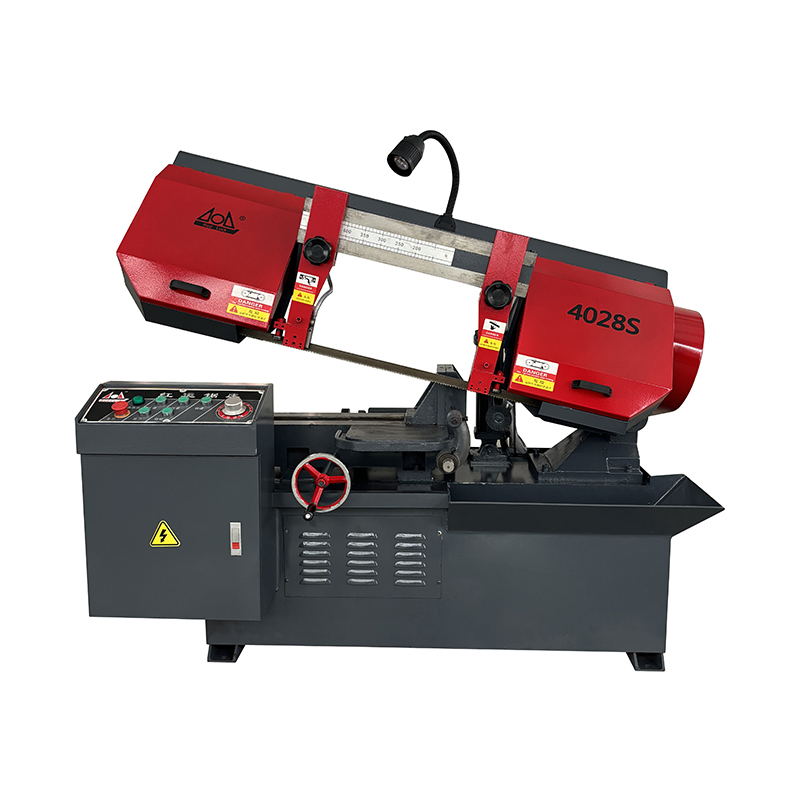
Features for Precision
The Scissor Saw Machine incorporates several design elements that contribute to consistent cutting accuracy. Guide rails, pivot mechanisms, and adjustable cutting angles are engineered to maintain stability during operation. The geometry of the scissor arms ensures smooth movement, reducing vibration that can compromise the quality of cuts. In addition, some models allow fine adjustments for specific material types, which can improve uniformity across multiple cuts. Proper understanding and use of these features are key to maximizing precision in daily operations.
Material Handling Capabilities
Workshops often handle materials of varying hardness and thickness, from soft wood panels to dense metal sheets. The Scissor Saw Machine can adapt to different types of materials when operators follow recommended procedures. Adjustments to blade type, cutting speed, and clamping pressure are necessary to match the properties of each material. Operators should also consider the machine’s overall load capacity and ensure that the material is properly supported during cutting. These practices help prevent uneven cuts and reduce wear on the equipment.
Operational Techniques for Accuracy
The skill and attention of the operator significantly affect the outcomes when using a Scissor Saw Machine. Proper feeding techniques, consistent pressure, and attention to alignment contribute to precision cuts. Operators should also monitor the progress of each cut to make small adjustments as needed. Training in correct operational methods is essential, especially for new personnel, to maintain consistent performance across different users. Encouraging methodical and careful use of the machine can prevent minor errors from accumulating into larger inconsistencies in production.
Maintenance Practices That Support Precision
Regular maintenance plays a critical role in sustaining the cutting accuracy of a Scissor Saw Machine. Routine checks of the blade, guide rails, and pivot mechanisms ensure that parts are functioning smoothly and remain correctly aligned. Lubrication of moving components minimizes friction and reduces the likelihood of mechanical drift. By maintaining the equipment in good condition, workshops can ensure that cutting results remain predictable and reliable, reducing waste and the need for rework.
Industrial Applications
The Scissor Saw Machine finds application in a range of industrial contexts, including metal fabrication, woodworking, and composite material processing. Its ability to provide consistent cuts over long production runs makes it suitable for batch manufacturing or repetitive tasks. Operators can adjust cutting parameters to accommodate different production requirements without compromising accuracy. The machine’s adaptability and stability contribute to smoother workflows and more uniform end products, which are important factors in maintaining client satisfaction and operational efficiency.
Environmental and Safety Considerations
Operating a Scissor Saw Machine safely and efficiently also involves attention to environmental conditions. Workspaces should be free from excessive dust, debris, or obstructions that could interfere with movement or alignment. Proper lighting, ventilation, and stable work surfaces support both safety and precision. Additionally, ensuring that guards, clamps, and safety switches are functional protects operators while allowing them to focus on accurate cutting without distraction.
The Scissor Saw Machine offers practical solutions for achieving consistent cutting accuracy across a variety of industrial tasks. Its design, adaptability, and operational features support precise cuts when combined with proper handling and maintenance. By paying attention to machine settings, material handling, operator technique, and environmental conditions, workshops can maintain reliable performance and high-quality results. Structured operational practices and routine upkeep contribute to long-term reliability and efficiency in industrial cutting applications.


Provide customers with pre-sales professional training, installation, and debugging during sales, solve practical operation problems, and provide long-term technical consultation.
-

+86-0578-3016831
-

+86-0578-3016831
-

-

No. 39, Yahua Road, New District, Huzhen Town, Jinyun County
Copyright © Zhejiang Hongyun Sawing Machine Co., Ltd.

Metal Band Sawing Machine Manufacturer