

 English
 中文简体
中文简体 русский
Five Essential Daily Maintenance Tips for Your Scissor Saw Machine
Workshops that specialize in woodworking, metalworking, or general fabrication rely on a variety of tools to ensure that tasks are completed accurately and efficiently. Among these tools, the Scissor Saw Machine plays a critical role in cutting operations that demand consistent precision and stability. Regular daily maintenance of this equipment is essential, as it can prevent common operational issues and ensure that production remains smooth. While some users may focus primarily on output, proper upkeep not only protects the machine but also improves overall workflow.
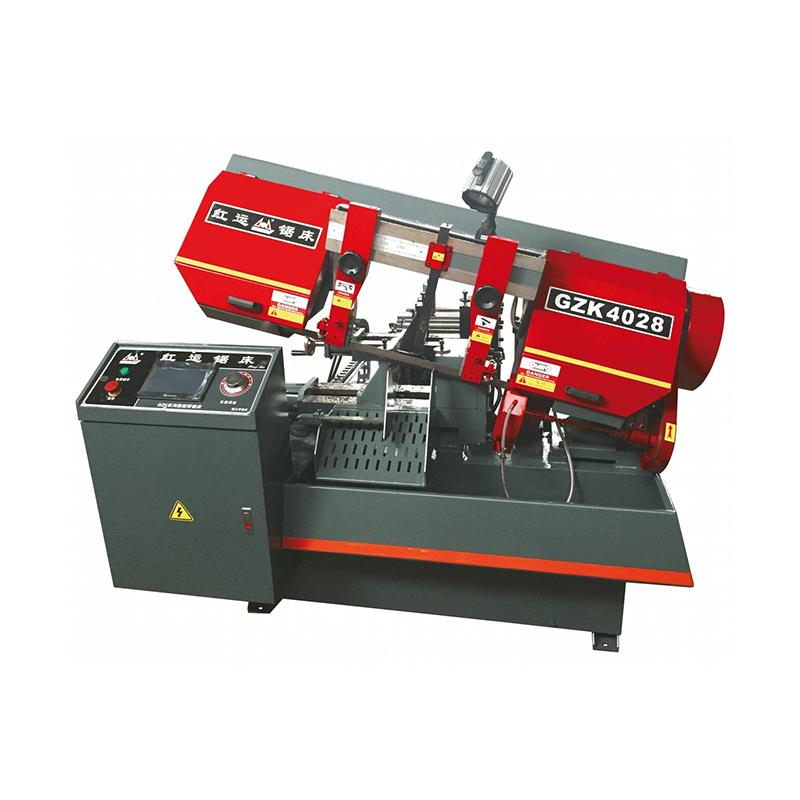
Check the Power and Motor
A primary step in daily maintenance is a careful inspection of the machine’s electrical system. The power supply, cables, and switches should be checked for signs of wear, fraying, or loose connections. Additionally, the motor should be observed during startup and operation to detect any irregular sounds, vibrations, or heating issues. Even minor electrical problems can gradually lead to more significant failures if left unaddressed. Regularly examining the motor and power components allows operators to catch potential problems early, ensuring that the Scissor Saw Machine continues to function reliably. Documentation of any observations, including minor anomalies, can help maintenance personnel track recurring patterns over time.
Inspect and Clean the Blade
The cutting blade is one of the most critical components of a Scissor Saw Machine. Daily cleaning and inspection are essential to maintain cutting accuracy. Residue such as sawdust, metal shavings, or plastic fragments can accumulate during operation, causing friction and affecting the smoothness of the cut. Operators should carefully remove these materials using appropriate tools and cleaning methods. In addition, the blade should be examined for signs of wear, including uneven edges, minor chips, or cracks. Regular attention to the blade not only enhances the quality of cuts but also prolongs the life of both the blade and the machine itself. Proper storage and handling of replacement blades further support long-term performance.
Lubricate Moving Parts
Mechanical components in a Scissor Saw Machine, such as the scissor arms, guide rails, and pivot points, benefit from consistent lubrication. Lubrication reduces friction, prevents wear, and allows smoother operation. It is important to use the recommended type of lubricant and apply it at intervals suitable for the machine’s workload and operating conditions. Neglecting lubrication can lead to stiffness in movement, increased strain on components, and potentially costly repairs. Including lubrication in daily maintenance routines ensures that the machine continues to operate efficiently and helps maintain consistent cutting performance over time.
Verify Safety Features
Ensuring that safety mechanisms function properly is another crucial part of daily maintenance. Guards, switches, clamps, and emergency stop systems should be examined before the start of each workday. Any sign of misalignment, wear, or malfunction should be addressed immediately. Proper functioning of these safety features reduces the risk of accidents and protects operators from potential injuries. Regular testing of safety equipment, combined with operator awareness and adherence to safety procedures, strengthens overall workshop safety practices and encourages a culture of responsible machine usage.
Maintain a Maintenance Log
Keeping a daily record of maintenance tasks and inspections can significantly improve the management of the Scissor Saw Machine. Logs may include details of electrical checks, lubrication, blade inspections, and any repairs or adjustments made. Over time, these records provide insight into recurring issues and allow maintenance schedules to be optimized for reliability and efficiency. Maintaining thorough documentation also ensures that new operators or maintenance personnel can follow established routines consistently, promoting long-term machine health.
Additional Tips for Consistent Performance
Beyond the core maintenance tasks, there are additional practices that contribute to reliable machine operation. Operators should periodically check alignment and calibration, ensuring that the cutting angles remain accurate. Environmental factors, such as dust accumulation, temperature, and humidity, can also affect performance and should be managed as much as possible. Adequate lighting and an organized workspace contribute indirectly to machine care by reducing the likelihood of accidental damage or operator error. Training staff on proper operational techniques, including the correct handling of materials and the machine itself, complements routine maintenance and enhances the overall effectiveness of the equipment.
Following a structured maintenance routine allows the Scissor Saw Machine to function efficiently, supporting consistent cutting quality and reliable operation over time. By combining electrical inspections, blade cleaning, lubrication, safety checks, and documentation, operators can prevent small problems from developing into larger issues. Integrating these practices into everyday workflows benefits both the machine and the personnel who operate it, creating a more organized, safe, and productive working environment.


Provide customers with pre-sales professional training, installation, and debugging during sales, solve practical operation problems, and provide long-term technical consultation.
-

+86-0578-3016831
-

+86-0578-3016831
-

-

No. 39, Yahua Road, New District, Huzhen Town, Jinyun County
Copyright © Zhejiang Hongyun Sawing Machine Co., Ltd.

Metal Band Sawing Machine Manufacturer