

 English
 中文简体
中文简体 русский
Wood working Shops Boost Precision with New Scissor Saw Machine Models
Woodworking projects often demand accuracy, consistency, and smooth operation. In many workshops, the Scissor Saw Machine has become a valuable tool for achieving these outcomes. New models provide features that support precise cutting while allowing operators to work efficiently across a variety of tasks.
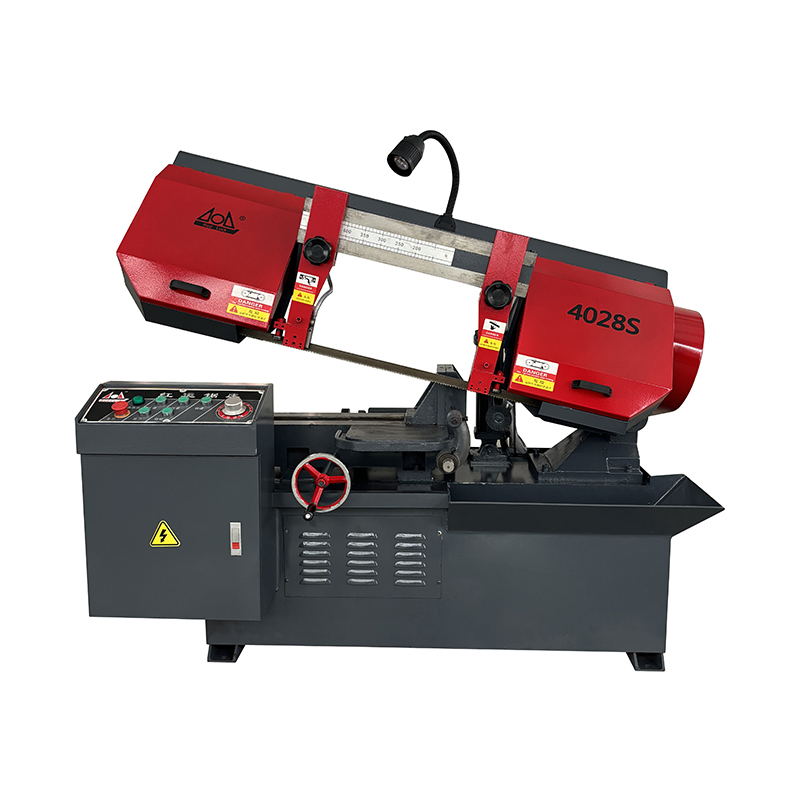
Design Improvements for Accuracy
Recent models of the Scissor Saw Machine include refinements that contribute to enhanced cutting precision. Adjustable guides, stable bases, and improved scissor arm mechanisms reduce vibration and maintain straight cuts. These improvements help operators manage different types of wood, panels, and composite materials without compromising accuracy. By using these features effectively, workshops can maintain consistent quality in both small-scale and larger projects.
Flexible Blade Options
New models offer the ability to swap blades to suit different material types and thicknesses. Blades designed for hardwood, softwood, or laminated materials allow for cleaner cuts and reduce strain on the machine. Operators can select the appropriate blade for each task and adjust cutting speed or pressure accordingly. This flexibility ensures that the machine remains versatile, supporting a wide range of woodworking applications while maintaining performance and precision.
Workflow Efficiency
In addition to accuracy, new Scissor Saw Machine models help improve workflow efficiency. Adjustable cutting angles and user-friendly controls enable operators to complete tasks more quickly and with less rework. Efficient material handling, combined with consistent cutting performance, allows workshops to manage production schedules more effectively. Operators who understand the machine’s features can use them to reduce setup time and improve throughput without sacrificing quality.
Operator Training and Techniques
The effectiveness of a Scissor Saw Machine depends heavily on operator technique. Proper training is essential to ensure that staff can adjust machine settings, handle materials correctly, and maintain steady cutting performance. Operators should be aware of best practices for feeding materials, applying pressure, and maintaining alignment. Through careful attention to these techniques, workshops can achieve consistent results and reduce wear on the equipment.
Maintenance Practices for Longevity
Maintaining new Scissor Saw Machine models requires attention to standard upkeep procedures. Regular cleaning of blades and guides, lubrication of moving components, and inspection of safety mechanisms help preserve machine performance. Checking for alignment and verifying the condition of electrical components supports smooth operation. Consistent maintenance practices not only extend the machine’s useful life but also ensure that precision is maintained over time.
Applications Across Projects
These machines are suitable for a variety of woodworking projects, including furniture manufacturing, cabinetry, decorative paneling, and custom designs. Operators can manage different materials and project sizes with confidence, using the machine’s features to maintain quality throughout the process. By integrating the machine into workflow planning, workshops can adapt to diverse project demands while keeping outputs consistent and reliable.
Environmental and Safety Considerations
Workspaces should support safe and precise operation by providing stable surfaces, adequate lighting, and proper dust control. Safety features on new Scissor Saw Machine models, including guards and adjustable clamps, contribute to secure operation. Ensuring that these features function correctly allows operators to focus on precision without distraction. Combining a safe workspace with attentive operational practices enhances both productivity and safety.
The latest Scissor Saw Machine models offer practical solutions for improving accuracy and efficiency in woodworking workshops. Their design refinements, flexible blade options, and operational features allow operators to manage a variety of materials with confidence. Proper training, routine maintenance, and attention to safety contribute to consistent performance and long-term reliability. By incorporating these machines into daily operations thoughtfully, workshops can maintain a stable workflow, enhance quality, and support efficient project completion.


Provide customers with pre-sales professional training, installation, and debugging during sales, solve practical operation problems, and provide long-term technical consultation.
-

+86-0578-3016831
-

+86-0578-3016831
-

-

No. 39, Yahua Road, New District, Huzhen Town, Jinyun County
Copyright © Zhejiang Hongyun Sawing Machine Co., Ltd.

Metal Band Sawing Machine Manufacturer