

 English
 中文简体
中文简体 русский
Vertical Metal Band Saw Troubleshooting: Fix Blade Breakage & Poor Cuts
The Vertical Metal Band Saw is a versatile machine used for cutting metal bars, pipes, and sheets with precision. Despite its reliability, users sometimes encounter issues such as blade breakage or uneven cuts, which can disrupt workflow and affect productivity. In such cases, the Cutting Angle 0-60 Saw Machine can serve as a complementary tool, particularly for projects requiring precise angles, reducing stress on blades during complex cutting operations. Understanding common causes of problems and proper troubleshooting techniques is essential for maintaining efficiency and safety in a workshop.
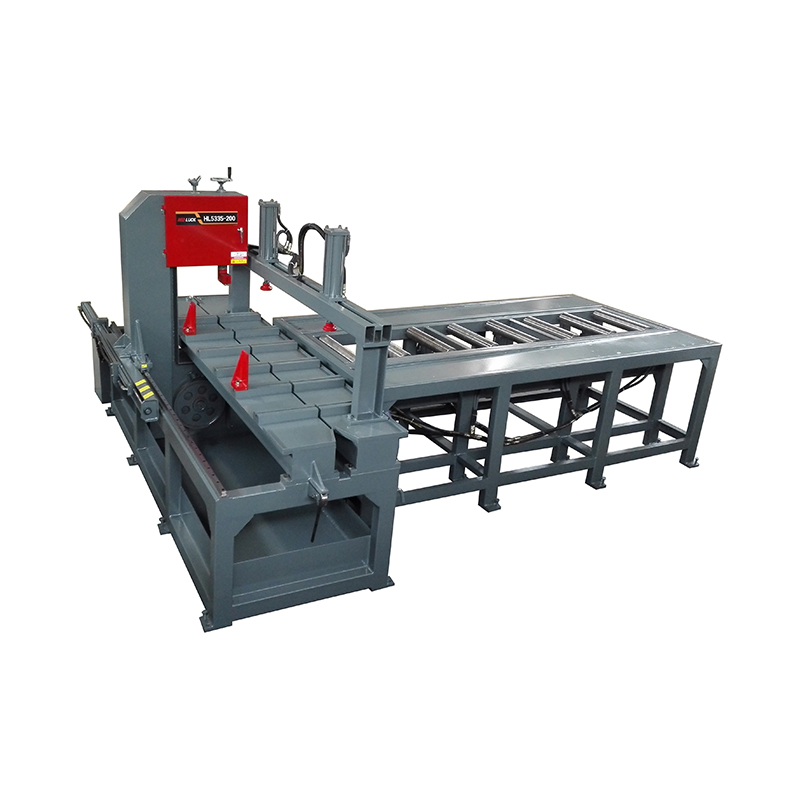
Common Causes of Blade Breakage
Blade breakage can occur due to several factors, including incorrect blade selection, improper tension, excessive feed pressure, or cutting materials that are harder than the blade is designed for. Using a blade with an inappropriate tooth configuration or width may result in uneven stress distribution, increasing the likelihood of cracks or breaks.
Incorporating the Cutting Angel 0-60 Saw Machine into the workflow can help reduce the risk of breakage during angled cuts. Its design allows for controlled rotation of the workpiece, which reduces lateral stress on the blade compared to forcing angled cuts on a vertical band saw. Users often use the vertical saw for straight cuts and switch to the 0-60 machine for angled cuts to maintain blade longevity.
Troubleshooting Poor Cuts
Uneven, rough, or angled cuts are commonly caused by misaligned guides, improper feed rates, dull blades, or vibration in the workpiece. Ensuring the material is securely clamped and supported prevents movement that can compromise cut quality. Regular inspection of blade guides and tracking systems helps maintain straight cuts.
When precise angled cuts are necessary, the Cutting Angle 0-60 Saw Machine is especially useful. Its adjustable angle mechanism allows cuts to be made consistently, reducing the chance of errors that could otherwise occur on the vertical band saw when attempting similar angles. This combination improves overall workflow, ensuring both straight and angled cuts meet the desired specifications.
Preventive Maintenance Practices
Proper maintenance minimizes the frequency of issues. Key steps include checking blade tension, inspecting guides, cleaning the machine regularly, lubricating moving parts, and replacing worn blades. Monitoring coolant flow is important as well, as insufficient lubrication can overheat the blade and reduce cutting performance.
For the Cutting Angel 0-60 Saw Machine, maintaining rotation and locking mechanisms ensures accurate angles are preserved. Users should regularly inspect these components to prevent drift and misalignment during repeated cuts. A consistent maintenance routine for both machines significantly reduces downtime and increases operational efficiency.
Safety Considerations
Operating a vertical band saw involves attention to safety measures such as wearing protective gear, keeping hands clear of the blade, and avoiding excessive force during cutting. Using the Cutting Angel 0-60 Saw Machine for angled cuts also requires awareness of pinch points and proper clamping to prevent accidents. Combining safe practices with correct machine setup ensures high-quality cuts while protecting operators from injury.
Troubleshooting a Vertical Metal Band Saw requires understanding the causes of blade breakage and poor cuts, along with consistent maintenance and proper operational techniques. The Cutting Angel 0-60 Saw Machine can complement vertical band saws by handling complex angled cuts with precision, reducing stress on blades, and improving overall cut quality. By addressing common issues, following preventive maintenance, and using machines appropriately, metalworkers can achieve reliable and accurate results in their projects while maintaining safety and workflow efficiency.


Provide customers with pre-sales professional training, installation, and debugging during sales, solve practical operation problems, and provide long-term technical consultation.
-

+86-0578-3016831
-

+86-0578-3016831
-

-

No. 39, Yahua Road, New District, Huzhen Town, Jinyun County
Copyright © Zhejiang Hongyun Sawing Machine Co., Ltd.

Metal Band Sawing Machine Manufacturer