

 English
 中文简体
中文简体 русский
Vertical Metal Band Saw Blade Selection And Material Compatibility
The Vertical Metal Band Saw relies heavily on proper blade selection to achieve clean, accurate cuts across various materials. Choosing the correct blade type, tooth configuration, and width ensures optimal performance, reduces wear, and prevents breakage. When working on angled cuts or specialized profiles, the Cutting Angle 0-60 Saw Machine complements the vertical saw by providing additional control over material angles, ensuring that precision is maintained without overloading the blade or the machine.
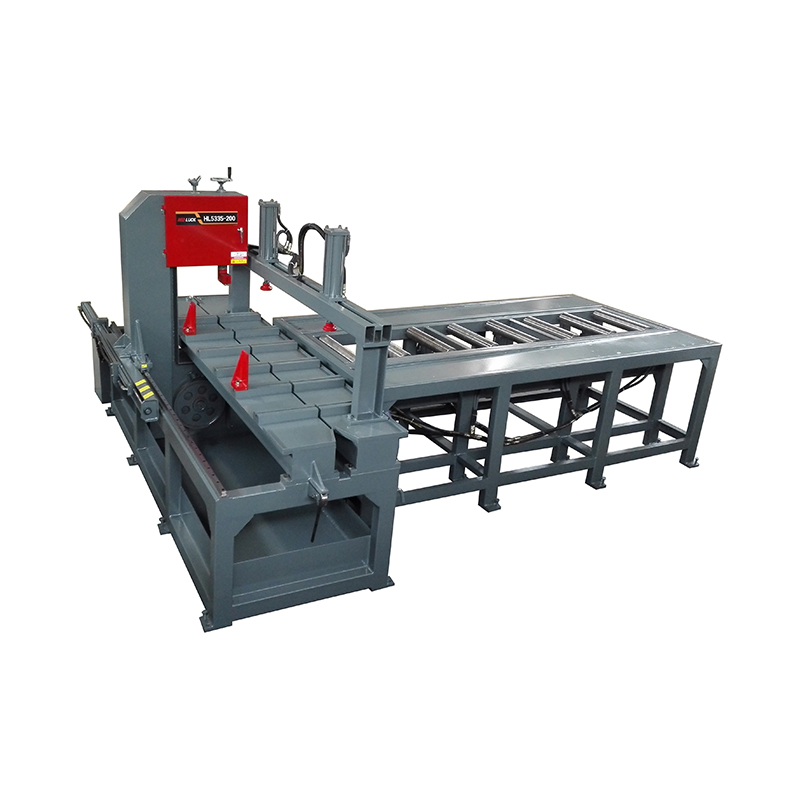
Types of Blades
Vertical band saws use several types of blades depending on the workpiece material and thickness. Fine-tooth blades are suitable for thin metals and intricate cuts, providing a smooth finish. Coarse-tooth blades handle thicker metals efficiently, allowing for faster feed rates without compromising stability. Bi-metal blades combine flexibility and durability, making them versatile for different metals, while carbon steel blades are effective for softer materials.
For angled cutting tasks, the Cutting Angle 0-60 Saw Machine often uses blades similar to those on vertical saws, but with adjustments for torque and feed control during rotation. Using appropriate blades ensures that both machines can handle their respective operations efficiently without unnecessary blade wear.
Material Compatibility
Metalworking projects involve a range of materials, including steel, aluminum, copper, and alloys with varying hardness. Each material requires consideration of blade type, speed, and feed rate to prevent damage or rough cuts. Vertical band saws can accommodate most of these materials with proper setup, providing straight cuts with stability and precision.
When angled cuts are necessary, the CuttingAngle 0-60 Saw Machine allows the user to maintain proper alignment and control, minimizing the risk of blade binding or material deformation. By combining these two machines, operators can process both straight and angled cuts across different materials efficiently.
Blade Maintenance and Replacement
Regular inspection and maintenance of blades are critical for performance and safety. Key steps include checking for dullness, cracks, or missing teeth, ensuring guides and tension systems are correctly adjusted, and cleaning debris from cutting surfaces. Proper blade handling extends its life and improves cutting consistency.
The Cutting Angle 0-60 Saw Machine also benefits from regular maintenance of its angle-adjustment and locking mechanisms. Ensuring accurate alignment and smooth rotation preserves blade effectiveness and reduces the risk of improper cuts. A consistent maintenance schedule for both machines supports long-term reliability and performance.
Practical Tips for Efficient Cutting
Operators should plan material flow, blade selection, and machine setup to match project requirements. Straight cuts are often performed on the vertical band saw, while angled or complex profiles are handled by the 0-60 saw. Supporting the workpiece correctly and controlling feed rates ensures smooth operation, prevents vibration, and improves safety.
Combining the Vertical Metal Band Saw with the Cutting Angle 0-60 Saw Machine provides versatility, allowing both straight and angled cuts without compromising accuracy. By selecting the right blade and material approach, operators can enhance productivity while reducing wear on machines and tools.
Proper blade selection and material compatibility are crucial for achieving quality results with a Vertical Metal Band Saw. The addition of the Cutting Angel 0-60 Saw Machine enables accurate angle cuts, expanding the range of achievable projects. Understanding blade types, material requirements, and maintenance practices ensures that both machines perform efficiently, providing reliable, precise cuts for a variety of metalworking applications. By integrating these machines thoughtfully, users can maintain workflow efficiency, cut costs, and extend equipment longevity.


Provide customers with pre-sales professional training, installation, and debugging during sales, solve practical operation problems, and provide long-term technical consultation.
-

+86-0578-3016831
-

+86-0578-3016831
-

-

No. 39, Yahua Road, New District, Huzhen Town, Jinyun County
Copyright © Zhejiang Hongyun Sawing Machine Co., Ltd.

Metal Band Sawing Machine Manufacturer