

 English
 中文简体
 русский
Scissor Saw Machine Purchasing Guide: Key Technical Details for Industrial Buyers
Choosing industrial cutting equipment involves more than comparing machine prices and basic specifications. Buyers need to consider material compatibility, cutting precision, operating requirements, and maintenance arrangements before making an investment. For workshops handling different cutting tasks, a Scissor Saw Machine should fit the actual production process rather than simply meet a general equipment requirement. Understanding several technical details in advance can help purchasing teams reduce selection errors and avoid unnecessary operating difficulties.
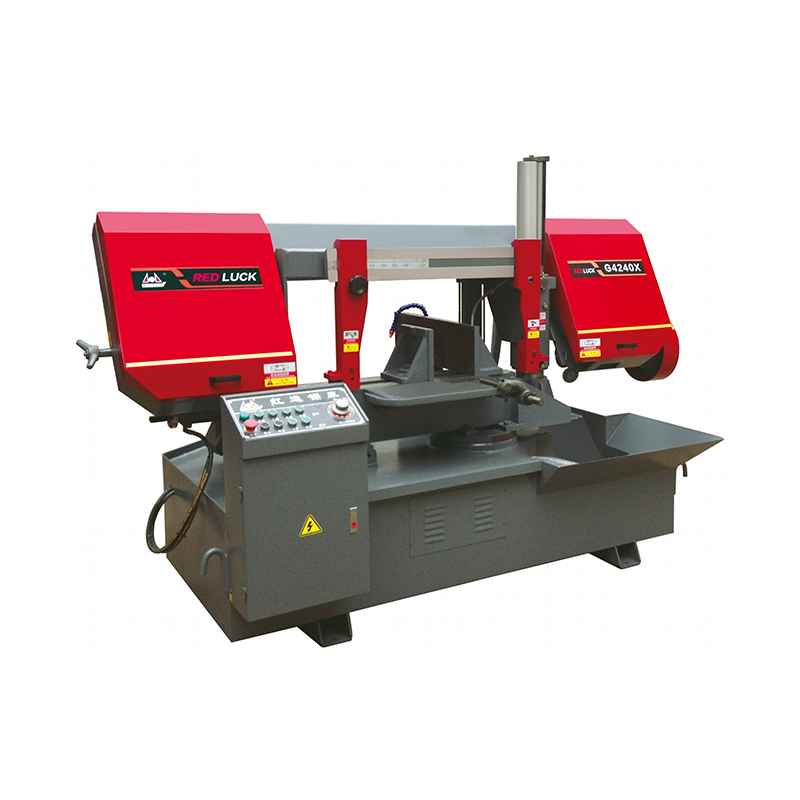
Understanding the Required Cutting Capacity
Cutting capacity is one of the first specifications buyers should check. A machine that cannot accommodate the dimensions of regular workpieces may create additional processing steps or limit production flexibility.
Before requesting a quotation, buyers should prepare information about:
- Material type and thickness.
- Maximum workpiece dimensions.
- Required cutting angles, where applicable.
- Expected production frequency.
- Cutting surface and dimensional requirements.
Providing these details allows manufacturers to evaluate machine suitability more accurately and recommend an appropriate configuration.
Machine Structure and Cutting Stability
Machine structure has a direct influence on operating stability. During cutting, vibration and workpiece movement may affect the finished result, particularly when processing materials that require consistent dimensions.
Buyers should examine the frame construction, clamping arrangement, blade alignment, and overall mechanical design. These components work together to support stable cutting operations.
As a manufacturer, we encourage buyers to look beyond appearance and request clear technical information about the machine's construction and working principles.
Evaluating Blade Replacement and Maintenance
Blade replacement is an important consideration for factories operating cutting equipment regularly. Difficult maintenance procedures may increase downtime and place additional demands on operators.
When evaluating a Scissor Saw Machine, buyers should confirm blade compatibility, replacement procedures, and the availability of relevant spare parts. It is also useful to understand the recommended inspection intervals and maintenance requirements.
Easy access to serviceable components can make routine maintenance more manageable and help production teams maintain equipment condition.
Safety Features and Operator Requirements
Industrial cutting equipment requires appropriate safety arrangements. Buyers should review the machine's protective structures, emergency stop functions, operating controls, and relevant safety instructions.
Operator training is equally important. Employees should understand material positioning, clamping procedures, machine startup, and shutdown requirements before using the equipment.
Clear operating documentation helps overseas buyers organize installation and training more effectively.
Comparing Equipment Beyond the Purchase Price
A lower initial quotation does not necessarily mean lower operating costs. Differences in machine configuration, spare parts, maintenance requirements, and technical support can influence the total investment.
Purchasing teams should compare:
- Machine specifications and included accessories.
- Applicable materials and cutting capacity.
- Spare parts availability.
- Maintenance and technical documentation.
- Warranty terms and after-sales support.
A detailed comparison provides a clearer understanding of what each equipment proposal includes.
Technical Communication Before Order Confirmation
Unclear requirements can lead to mismatched machine configurations. To avoid this situation, buyers should communicate directly with the manufacturer about their intended applications.
Sharing workpiece drawings, material samples, or reference dimensions can help clarify technical expectations. Buyers should also confirm installation conditions, power requirements, packaging arrangements, and delivery details before order confirmation.
This communication helps both parties establish a clear understanding of the equipment being supplied.
Making Equipment Selection More Practical
A successful equipment purchase depends on matching technical specifications with real production needs. Cutting capacity, machine stability, blade maintenance, operator safety, and after-sales support should all be considered during evaluation. By reviewing these factors carefully and communicating application requirements with the manufacturer, buyers can select a Scissor Saw Machine that fits their workshop operations and supports consistent cutting performance over time.


Provide customers with pre-sales professional training, installation, and debugging during sales, solve practical operation problems, and provide long-term technical consultation.
-

+86-0578-3016831
-

+86-0578-3016831
-

-

No. 39, Yahua Road, New District, Huzhen Town, Jinyun County
Copyright © Zhejiang Hongyun Sawing Machine Co., Ltd.

Metal Band Sawing Machine Manufacturer