

 English
 中文简体
 русский
Scissor Saw Machine Efficiency: Improving Workflow in Small and Medium-Sized Manufacturing Workshops
As manufacturing orders become more varied, workshops need cutting equipment that can handle different workpiece requirements without creating unnecessary adjustments between production batches. Cutting delays, inconsistent material feeding, and complicated machine operation can all affect workshop efficiency. A Scissor Saw Machine offers a practical option for industrial cutting applications where controlled operation and consistent processing are important. For equipment buyers, understanding how machine configuration fits into the wider production workflow is essential when evaluating new equipment.
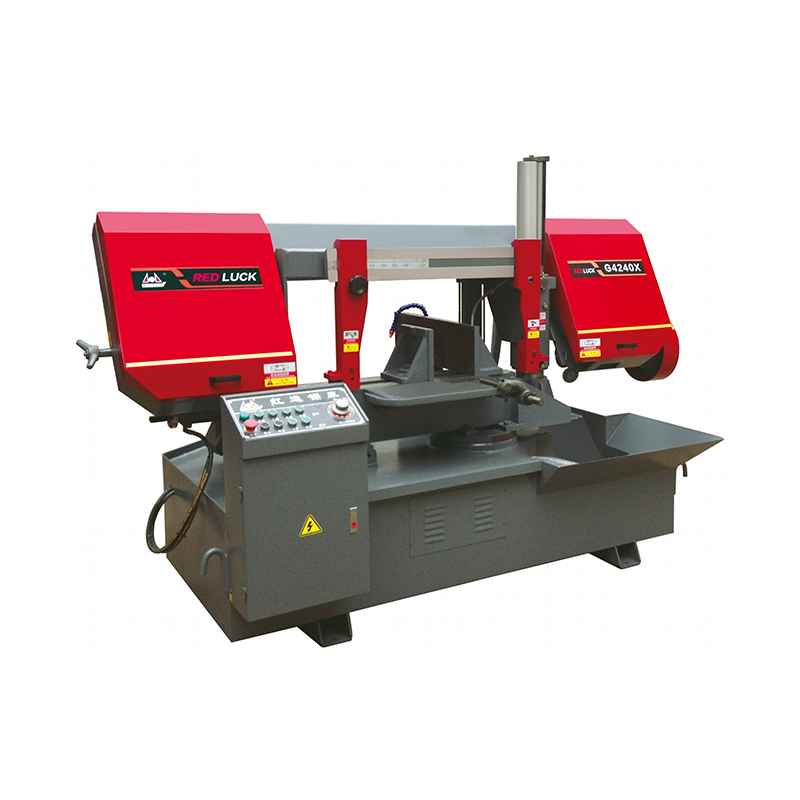
Cutting Equipment Should Match Production Processes
A common purchasing mistake is choosing equipment based only on its cutting capacity. In actual production, machine compatibility with existing workflows is equally important.
Workshops handling different materials or customized orders may need to change workpiece dimensions and cutting arrangements frequently. Buyers should therefore consider the machine's adjustment process, material loading method, operating controls, and compatibility with their existing equipment.
A suitable configuration can help operators move between production tasks with fewer unnecessary interruptions.
Material Feeding and Handling Matter
Material handling has a direct influence on cutting efficiency. Long or heavy workpieces may require additional support to maintain stable positioning during processing.
When evaluating a Scissor Saw Machine, buyers should examine how materials are loaded, secured, and positioned. The arrangement of the working area should also allow operators to handle workpieces without interfering with the cutting process.
For workshops processing repeated orders, establishing consistent feeding and positioning procedures can reduce handling difficulties and improve production organization.
Controlling Cutting Quality Across Different Batches
Maintaining consistent dimensions across production batches is important for components used in subsequent assembly or fabrication.
Several factors influence cutting consistency:
- Blade condition: Worn cutting edges can affect surface quality and dimensional accuracy.
- Material stability: Secure positioning helps prevent movement during cutting.
- Machine condition: Loose components and excessive vibration may influence cutting performance.
- Operating procedures: Consistent settings and handling methods help reduce variations between operators.
Manufacturers should evaluate these factors together instead of relying on machine specifications alone.
Managing Workshop Space and Equipment Layout
Limited floor space is a practical concern for many small and medium-sized factories. Installing cutting equipment without considering material storage, operator movement, and workpiece transportation can create workflow problems.
Before purchasing, buyers should check the machine dimensions and required operating clearance. They should also consider whether the equipment can be positioned conveniently alongside material storage areas and downstream processing stations.
A well-planned layout helps reduce unnecessary material movement and keeps the production area organized.
Operator Convenience and Daily Operation
Equipment usability can influence how smoothly daily production runs. Complicated adjustments or unclear operating procedures may increase operator training requirements and create avoidable operating errors.
A Scissor Saw Machine should be assessed for control accessibility, workpiece clamping arrangements, adjustment convenience, and maintenance access. Safety features and operating instructions should also be reviewed before installation.
For overseas buyers, clear technical documentation is particularly useful when equipment will be operated by teams with different levels of experience.
Evaluating Long-Term Equipment Costs
The purchase price is only one part of equipment investment. Buyers should also consider blade replacement, routine maintenance, spare parts, energy requirements, and potential production interruptions.
Requesting detailed machine specifications and maintenance information from the manufacturer can make equipment comparisons more meaningful. It also helps purchasing teams understand the expected operating requirements before making a decision.
Creating a More Organized Cutting Workflow
Improving workshop efficiency involves more than increasing cutting speed. Material handling, machine configuration, operator convenience, and maintenance all contribute to daily production performance. Selecting a Scissor Saw Machine according to actual workpiece requirements and workshop conditions can help manufacturers establish a more organized cutting process while supporting consistent production quality.


Provide customers with pre-sales professional training, installation, and debugging during sales, solve practical operation problems, and provide long-term technical consultation.
-

+86-0578-3016831
-

+86-0578-3016831
-

-

No. 39, Yahua Road, New District, Huzhen Town, Jinyun County
Copyright © Zhejiang Hongyun Sawing Machine Co., Ltd.

Metal Band Sawing Machine Manufacturer