

 English
 中文简体
 русский
Scissor Saw Machine Maintenance: Reducing Blade Wear and Avoiding Production Downtime
In industrial cutting operations, frequent blade replacement, inconsistent cutting results, and unexpected equipment stoppages can affect daily production schedules. These problems are often related not only to blade quality but also to machine settings, material positioning, and maintenance practices. For workshops processing metal profiles and other industrial materials, a Scissor Saw Machine needs to deliver stable cutting performance while remaining easy to operate and maintain. Understanding common equipment problems can help buyers make better purchasing decisions and establish a more reliable cutting process.
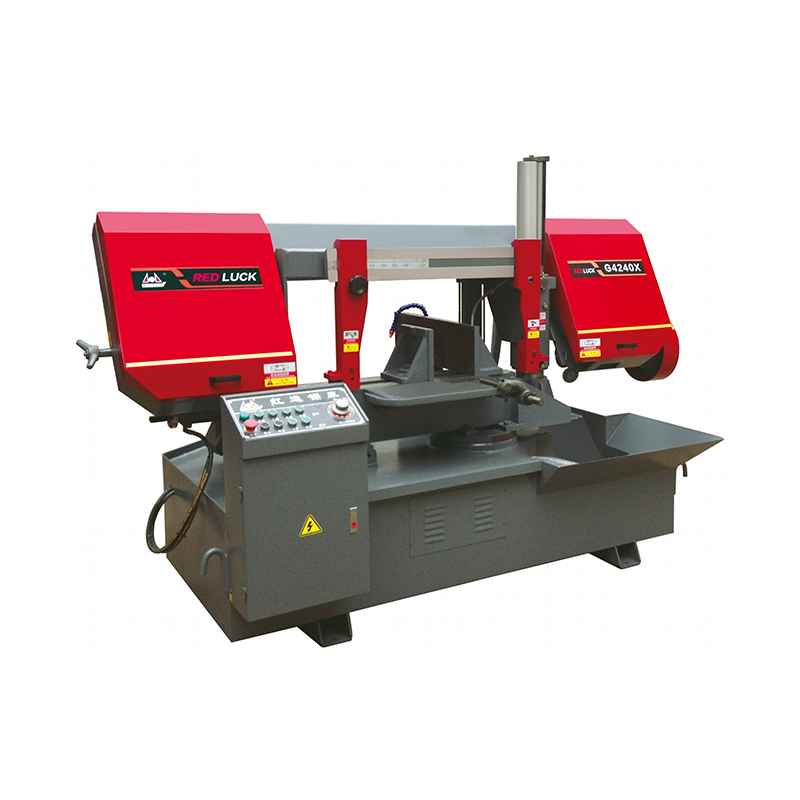
Incorrect Blade Selection Increases Operating Costs
Blade compatibility is an important factor when processing different materials. Using an unsuitable blade can increase cutting resistance, produce rough edges, and accelerate component wear.
Before choosing a machine, buyers should confirm the material type, workpiece thickness, cutting dimensions, and required finish. These details help determine whether the proposed blade configuration matches the intended application.
As a manufacturer, we recommend evaluating blade compatibility alongside machine specifications rather than treating replacement blades as an afterthought.
Material Positioning Affects Cutting Results
Workpiece movement during cutting can lead to dimensional inconsistencies and additional finishing work. This is particularly important for workshops handling repeated cutting tasks.
Operators should check the clamping system and ensure that materials are positioned correctly before starting each operation. Consistent positioning also makes it easier to maintain repeatable cutting results across different production batches.
Recognizing Early Signs of Equipment Wear
Unexpected machine downtime often begins with small performance changes. Operators should pay attention to several warning signs:
- Unusual noise or vibration during operation.
- Increased resistance when cutting materials.
- Irregular cutting surfaces or inconsistent dimensions.
- Loose clamping components or abnormal movement.
Regular inspections allow maintenance teams to identify potential problems before they interrupt production.
Matching Machine Capacity with Actual Workloads
Purchasing equipment with unsuitable cutting capacity can create unnecessary operating difficulties. Buyers should consider the dimensions and materials of their regular workpieces, together with production frequency and available workshop space.
A Scissor Saw Machine should be evaluated according to its actual working requirements. Checking cutting capacity, blade specifications, machine structure, and operating arrangements helps buyers avoid configuration mismatches.
Establishing a Practical Maintenance Routine
Routine maintenance does not need to involve complicated procedures. A clear inspection schedule can help operators maintain equipment condition throughout daily production.
Important maintenance tasks include cleaning cutting debris, checking blade condition, inspecting moving components, and confirming that clamping mechanisms work correctly. Electrical connections and safety-related components should also be inspected according to the manufacturer's maintenance instructions.
These practices help reduce avoidable interruptions and support stable equipment operation.
Manufacturer Communication Before Purchasing
For overseas distributors and industrial buyers, technical communication is an important part of equipment selection. Providing the manufacturer with information about workpiece materials, dimensions, cutting requirements, and production conditions makes it easier to assess machine suitability.
Buyers should also confirm available spare parts, maintenance guidance, operating documentation, and technical support arrangements before placing an order.
Maintaining Consistent Cutting Performance
Stable production depends on suitable equipment, correct operating procedures, and timely maintenance. Addressing blade compatibility, material positioning, and early signs of wear can help workshops control operating costs and reduce unnecessary downtime. Choosing a suitable Scissor Saw Machine with clear technical support also gives manufacturers a practical foundation for maintaining consistent cutting operations as production requirements change.


Provide customers with pre-sales professional training, installation, and debugging during sales, solve practical operation problems, and provide long-term technical consultation.
-

+86-0578-3016831
-

+86-0578-3016831
-

-

No. 39, Yahua Road, New District, Huzhen Town, Jinyun County
Copyright © Zhejiang Hongyun Sawing Machine Co., Ltd.

Metal Band Sawing Machine Manufacturer