

 English
 中文简体
 русский
Scissor Saw Machine: Practical Ways to Improve Cutting Accuracy and Reduce Blade Wear
As metal fabrication and industrial processing continue to demand consistent cutting quality, manufacturers are paying closer attention to equipment stability, blade performance, and daily operating costs. A Scissor Saw Machine is used in cutting operations where controlled movement and reliable cutting results matter. However, problems such as uneven cut surfaces, excessive blade wear, material movement, and unexpected downtime can affect production schedules. As a machinery manufacturer, we believe that understanding these operating factors helps buyers select suitable equipment and maintain stable production performance.
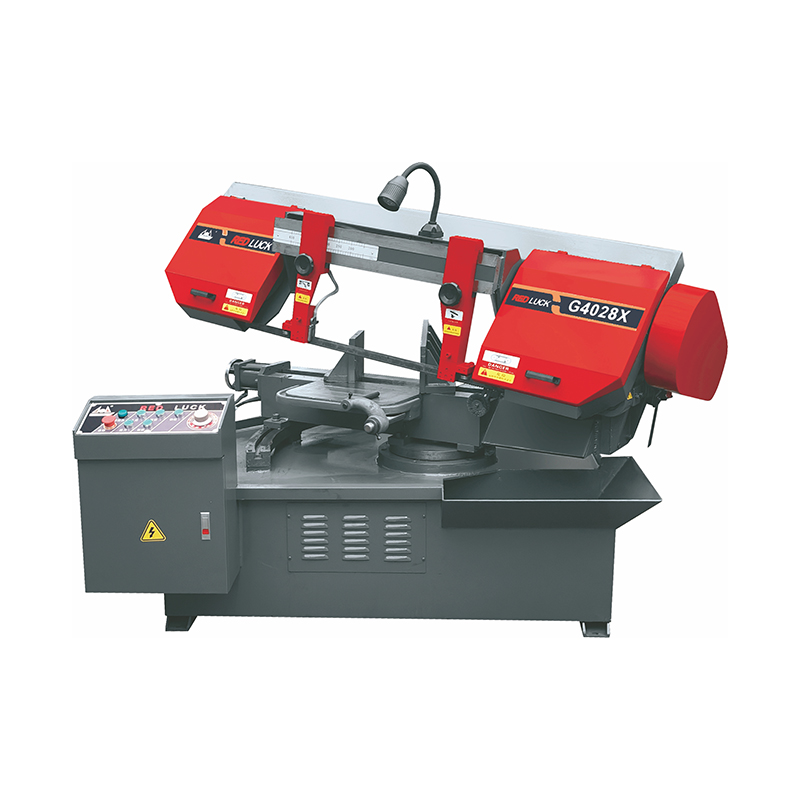
Blade Selection Has a Direct Impact on Cutting Results
Choosing the wrong blade can cause more problems than operators expect. Different materials have different hardness levels, thicknesses, and cutting characteristics, so a single blade configuration may not suit every application.
Before selecting a replacement blade, operators should consider:
- Material compatibility: Match the blade material and tooth design to the workpiece.
- Tooth pitch: Consider material thickness to avoid unnecessary tooth loading or poor chip removal.
- Blade condition: Check for worn, damaged, or uneven teeth before starting production.
When evaluating a Scissor Saw Machine, buyers should also ask whether compatible blade options are readily available and whether replacement procedures are straightforward.
Machine Stability Helps Prevent Uneven Cuts
Vibration and material movement are common causes of inconsistent cutting results. Even when the blade is suitable, an unstable workpiece or poorly maintained machine structure can affect the finished surface.
We recommend checking the workpiece clamping system, machine alignment, and supporting structure before operation. Materials should remain firmly positioned throughout the cutting process. Operators should also avoid applying excessive feeding pressure, as this may increase cutting resistance and place unnecessary stress on the blade.
A stable cutting setup helps maintain repeatability across different production batches.
Incorrect Feed Settings Can Shorten Blade Service Life
Cutting speed and feed pressure need to work together. Excessive feeding may overload the teeth, while unsuitable cutting conditions can generate additional heat and accelerate wear.
For production teams, the practical approach is to establish operating settings according to the material, blade specifications, and machine requirements. When processing a new material, conducting a trial cut allows operators to observe chip formation, cutting noise, and surface quality before adjusting the production process.
These checks can help identify operating problems before they develop into blade damage or machine downtime.
Regular Maintenance Reduces Unexpected Downtime
A maintenance routine should cover more than blade replacement. Dust, metal chips, loose fasteners, and insufficient lubrication can gradually affect machine performance.
Our maintenance recommendations include:
- Cleaning the cutting area after each operating shift.
- Inspecting moving components and checking for abnormal wear.
- Confirming that guards and safety devices remain functional.
- Checking lubrication requirements according to the equipment manual.
- Replacing damaged cutting components before they affect production quality.
Consistent inspections also make it easier for maintenance teams to identify recurring problems and arrange servicing before production is interrupted.
Safety Features Matter in Daily Production
Cutting equipment requires careful attention to operator protection. Buyers should examine blade guarding, emergency stop accessibility, workpiece clamping, and operating controls when assessing machinery.
Operators also need appropriate training in material positioning, startup procedures, and shutdown operations. Protective equipment should be used according to workplace safety requirements.
From a manufacturing perspective, safety should be considered during equipment selection rather than treated as an additional requirement after installation.
Evaluate Equipment Based on Actual Production Needs
A machine suitable for one workshop may not fit another facility's production conditions. Buyers should assess the materials they process, required cutting dimensions, production frequency, available floor space, and maintenance resources.
It is also useful to discuss spare parts availability, technical documentation, installation support, and operator training with the equipment supplier. These details can influence long-term operating convenience and maintenance planning.
Building More Reliable Cutting Operations
Stable cutting performance depends on the relationship between machine design, blade selection, operating settings, and maintenance practices. For overseas distributors, metalworking businesses, and industrial buyers, evaluating these factors provides a clearer basis for equipment selection. As a manufacturer, we focus on practical machine requirements and application conditions when discussing suitable cutting solutions. A properly selected and maintained Scissor Saw Machine can support consistent production, reduce avoidable interruptions, and help workshops manage their cutting operations with greater confidence.


Provide customers with pre-sales professional training, installation, and debugging during sales, solve practical operation problems, and provide long-term technical consultation.
-

+86-0578-3016831
-

+86-0578-3016831
-

-

No. 39, Yahua Road, New District, Huzhen Town, Jinyun County
Copyright © Zhejiang Hongyun Sawing Machine Co., Ltd.

Metal Band Sawing Machine Manufacturer