

 English
 中文简体
 русский
Improving Production Flexibility with CNC Sawing Machines for Mixed-Size Metal Orders
Metal fabrication workshops increasingly handle orders with different material grades, profile dimensions, and cutting lengths. This variety creates practical challenges for production teams, particularly when frequent changeovers interrupt machine operation or increase the risk of incorrect cuts. A CNC Sawing Machine helps address these issues through programmable cutting dimensions, repeatable positioning, and configurable operating settings. For manufacturers serving multiple industries, the right machine setup can improve scheduling flexibility without sacrificing cutting consistency.
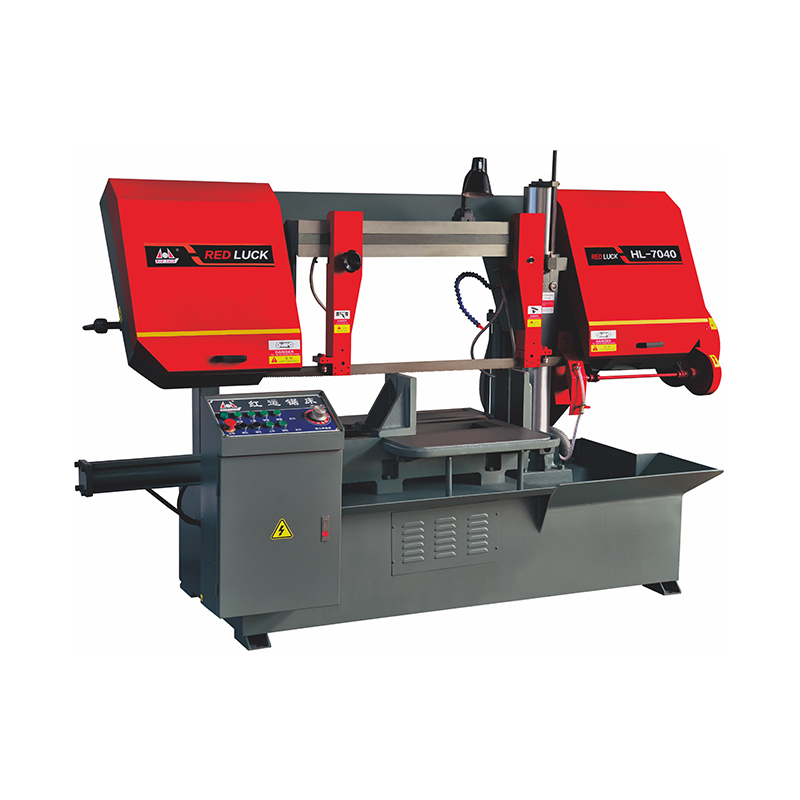
Simplifying Changeovers Between Different Workpieces
Frequent changes in material size can increase setup time when operators must repeatedly adjust measuring stops, feeding positions, and clamping arrangements. CNC control makes it easier to switch between programmed cutting lengths, especially when production orders contain recurring specifications.
However, faster changeovers depend on more than software. Manufacturers should evaluate how easily operators can adjust fixtures, access clamping components, and load new material. Clearly organized cutting programs and documented setup procedures also reduce the likelihood of selecting incorrect parameters when switching between orders.
Managing Small-Batch Production More Efficiently
Small-batch orders often require different dimensions within a limited production window. Running each specification as a completely separate operation may create unnecessary setup work and leave usable material remnants.
A practical production strategy includes grouping compatible jobs by material type, profile dimensions, and blade requirements. Where the cutting plan permits, combining suitable lengths can reduce repeated adjustments and improve stock utilization. Operators must still account for blade kerf, material condition, and the required sequence of downstream operations.
For workshops handling frequent custom orders, flexible programming and straightforward job retrieval can be as important as maximum cutting speed.
Selecting a Machine That Matches Material Variety
Not every CNC metal sawing system is suitable for every combination of workpiece dimensions. Buyers should confirm the machine's cutting capacity, feeding range, clamping design, and compatibility with the materials used in their facility.
Before requesting a quotation, prepare a representative list of production requirements, including:
- Material grades, such as carbon steel, stainless steel, and aluminum.
- Round, square, rectangular, or other profile dimensions.
- Minimum and maximum cutting lengths.
- Typical batch quantities and frequency of changeovers.
- Required dimensional tolerances and cut surface conditions.
This information allows manufacturers to recommend a configuration based on actual operating needs rather than specifications that may provide little practical value.
Maintaining Accuracy Across Different Cutting Programs
A machine that performs well on one workpiece may require different settings for another. Material hardness, section thickness, blade selection, and clamping stability all influence cutting behavior. Reusing a program without confirming that the workpiece and tooling match its original conditions can lead to dimensional variation or poor surface quality.
Operators should verify the selected program, material positioning, and clamping arrangement before starting a new batch. Measuring the first completed workpiece provides an opportunity to identify setup issues before processing the remaining stock. For repeat orders, storing verified parameters helps reduce unnecessary adjustments and supports more consistent results between production runs.
Coordinating Sawing With Downstream Manufacturing
Cutting is often the first stage in a larger manufacturing sequence involving turning, milling, drilling, welding, or assembly. Delays at the sawing stage can affect the availability of material for subsequent operations, even when downstream machines have sufficient capacity.
Production planners should therefore evaluate how the sawing machine fits into the entire workflow. Automatic feeding may help when processing long bars in regular batches, while flexible loading arrangements may be more appropriate for varied profiles and short runs. Material identification and organized storage of cut components also help prevent mix-ups when several orders are in progress.
Controlling Material Waste During Frequent Job Changes
Frequent changes in cutting dimensions can leave short remnants that are difficult to use in subsequent orders. Without a clear tracking method, usable stock may be discarded or become difficult to locate.
Manufacturers can improve material management by recording remnant dimensions, material grades, and storage locations. Before a new cutting plan is approved, operators can check whether existing remnants meet the requirements of the next job. Cutting calculations should include blade kerf and any additional allowance required for finishing, ensuring that planned lengths remain practical for the intended application.
Building a Flexible and Reliable Cutting Operation
A productive workshop needs equipment that accommodates changing orders while maintaining stable cutting quality. Buyers should assess programming functions, workpiece support, feeding options, maintenance access, and technical service when comparing suppliers. A cutting test using representative materials can further clarify whether the proposed configuration suits the intended workload.
With suitable machine selection, organized production planning, and verified cutting programs, a CNC Sawing Machine can help manufacturers manage mixed-size orders, reduce avoidable setup work, and maintain consistent results across a wider range of metal fabrication applications.


Provide customers with pre-sales professional training, installation, and debugging during sales, solve practical operation problems, and provide long-term technical consultation.
-

+86-0578-3016831
-

+86-0578-3016831
-

-

No. 39, Yahua Road, New District, Huzhen Town, Jinyun County
Copyright © Zhejiang Hongyun Sawing Machine Co., Ltd.

Metal Band Sawing Machine Manufacturer