

 English
 中文简体
 русский
Reducing Blade Wear and Cutting Costs in CNC Sawing Operations
Blade replacement, unexpected downtime, and inconsistent cutting quality can increase operating costs in metal processing workshops. For manufacturers handling steel bars, aluminum profiles, and metal tubes, controlling these expenses requires more than choosing a suitable saw blade. A CNC Sawing Machine must operate with appropriate cutting parameters, stable workpiece clamping, and regular maintenance to deliver consistent results. Understanding the causes of premature blade wear helps production teams improve equipment utilization while keeping material processing costs under control.
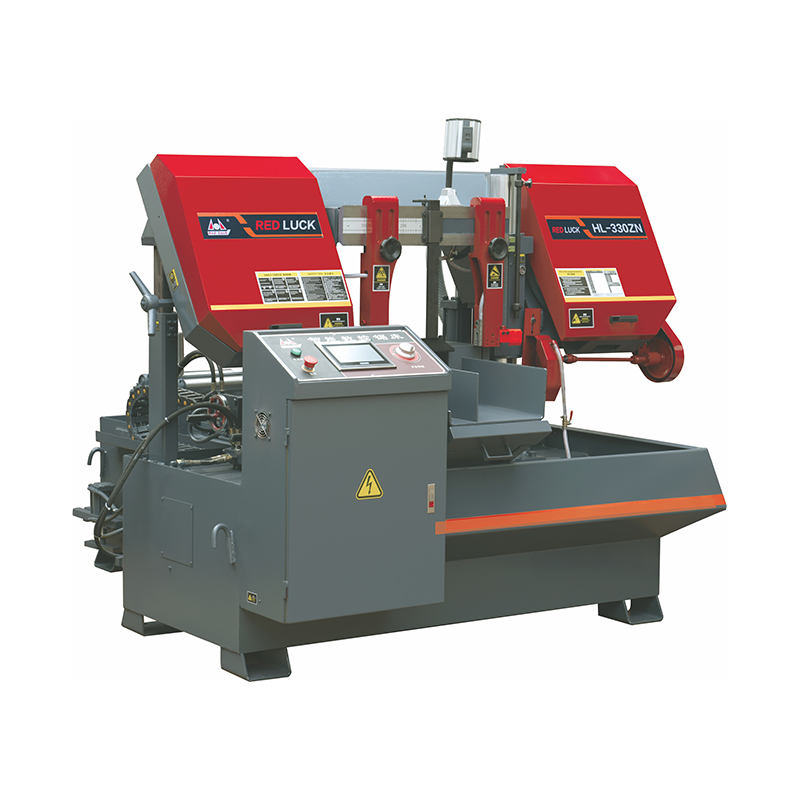
Identifying the Main Causes of Premature Blade Wear
Saw blades gradually wear during normal operation, but unsuitable working conditions can accelerate deterioration. Excessive feed pressure, incorrect cutting speeds, poor clamping, and unsuitable blade specifications may all contribute to damaged teeth or reduced cutting performance.
Material characteristics also matter. Stainless steel, hardened alloys, and softer non-ferrous metals require different blade selections and operating conditions. Before changing machine settings, operators should confirm the material grade, workpiece dimensions, and blade specifications. This basic verification helps distinguish normal wear from problems caused by an unsuitable cutting setup.
Matching Blade Specifications to Production Materials
Choosing a blade based only on its purchase price can lead to higher costs over time. Tooth pitch, tooth geometry, blade material, and blade dimensions should correspond to the workpiece and the machine's requirements.
For example, cutting thin-walled tubes generally requires consideration of tooth engagement to avoid poor cutting action or tooth damage. Larger solid sections present different demands because more material remains in contact with the blade during cutting. Manufacturers should consult blade suppliers and equipment documentation when selecting specifications for different materials and section sizes.
Keeping a record of blade performance across recurring jobs also helps purchasing teams identify suitable options based on actual production conditions rather than price alone.
Adjusting Cutting Parameters for Stable Performance
Cutting speed and feed rate influence both productivity and blade service life. Excessive feed pressure may overload the teeth, while unsuitable cutting speeds can increase heat generation or produce inconsistent surfaces. Conversely, overly conservative settings may extend cycle times without delivering meaningful improvements in blade life.
A controlled adjustment process is more reliable than changing several parameters simultaneously. Operators can follow these steps:
- Verify the recommended cutting conditions for the blade and workpiece material.
- Inspect clamping stability and ensure the stock is correctly positioned.
- Adjust feed or cutting speed incrementally when cut quality or machine behavior indicates a problem.
- Examine the finished surface and inspect the blade for unusual wear patterns.
- Record effective settings for future production runs.
This approach helps production teams identify the relationship between operating conditions and cutting performance.
Managing Heat and Chip Removal
Heat buildup can affect blade performance, particularly during demanding or continuous cutting operations. Where the machine and material require coolant or lubrication, the delivery method and fluid condition should be checked regularly. Insufficient flow, contaminated coolant, or blocked nozzles may reduce cooling effectiveness and interfere with chip removal.
Chip accumulation around the cutting area can also affect safe operation and maintenance access. Operators should follow the machine manufacturer's cleaning procedures and avoid removing chips while moving components remain hazardous. Appropriate chip management supports a cleaner working environment and helps maintain consistent cutting conditions.
Using Wear Patterns to Detect Problems Early
Blade inspection provides useful information about the condition of the cutting process. Uneven tooth wear may indicate inconsistent engagement, while chipped teeth can result from impact, excessive loading, or unsuitable cutting conditions. A sudden increase in cutting time may also suggest that the blade is approaching the end of its useful service life.
Instead of replacing blades according to an arbitrary schedule alone, manufacturers can combine operating-hour records with observed cut quality and inspection results. Any abnormal wear should be investigated before a replacement blade is installed, otherwise the same operating problem may damage the new blade.
Reducing Downtime Through Preventive Maintenance
Unexpected blade failure can interrupt production schedules and delay downstream machining or assembly. Preventive maintenance helps identify developing issues before they affect a complete batch of workpieces.
A practical routine should include checking blade condition, inspecting clamping components, cleaning material guides, verifying feeding accuracy, and reviewing recurring cutting defects. Replacement blades should be stored and handled according to supplier recommendations to prevent damage before installation.
For workshops operating multiple shifts, clear inspection responsibilities and maintenance records can improve communication between operators, technicians, and production supervisors.
Evaluating Total Cutting Cost Instead of Blade Price
The real cost of cutting includes more than the blade itself. Labor, machine downtime, rejected parts, additional finishing, and replacement frequency all influence the cost per acceptable workpiece. Buyers evaluating a CNC Sawing Machine should therefore consider its compatibility with the intended materials, ease of maintenance, cutting consistency, and availability of technical support.
By combining appropriate blade selection with controlled operating parameters and routine inspections, manufacturers can reduce avoidable wear, improve production stability, and make more informed equipment decisions. A well-configured CNC sawing process supports predictable cutting quality while helping businesses manage long-term operating expenses.


Provide customers with pre-sales professional training, installation, and debugging during sales, solve practical operation problems, and provide long-term technical consultation.
-

+86-0578-3016831
-

+86-0578-3016831
-

-

No. 39, Yahua Road, New District, Huzhen Town, Jinyun County
Copyright © Zhejiang Hongyun Sawing Machine Co., Ltd.

Metal Band Sawing Machine Manufacturer