

 English
 中文简体
中文简体 русский
Optimizing CNC Sawing Machine Performance for Thin-Walled Tubes and Precision Profiles
Thin-walled tubes and metal profiles are widely used in furniture manufacturing, automotive components, construction systems, and industrial equipment. However, cutting these materials can present challenges, including deformation, burr formation, uneven cut faces, and inconsistent lengths. A CNC Sawing Machine can help manufacturers manage these issues through controlled feeding, stable clamping, and repeatable cutting programs. For buyers sourcing metal cutting equipment, understanding how machine configuration affects the finished workpiece is essential to achieving reliable production results.
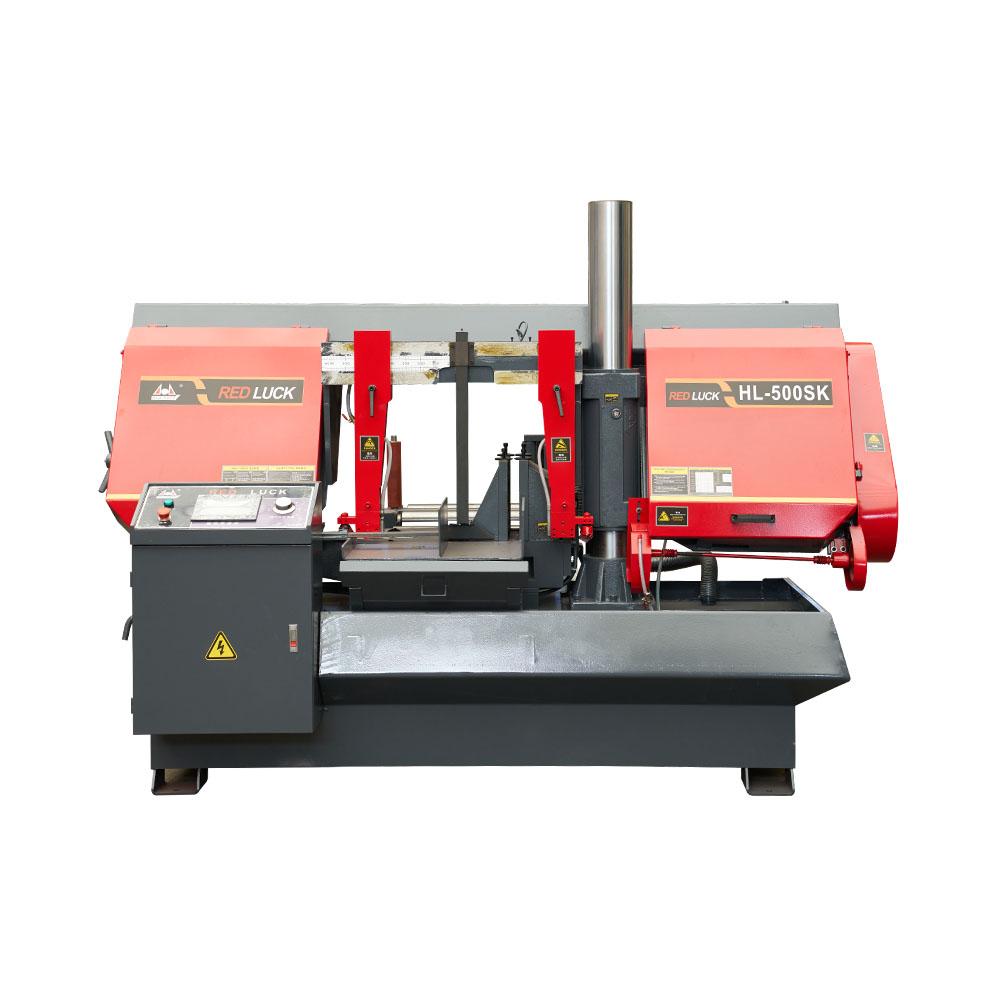
Preventing Deformation During Tube Cutting
Thin-walled materials are more susceptible to crushing and vibration than solid metal bars. Excessive clamping pressure can distort the tube, while insufficient support may allow movement during cutting. Both conditions can affect dimensional accuracy and increase rework.
When selecting a CNC tube sawing machine, buyers should examine the clamping mechanism and its suitability for the intended material. Adjustable clamping pressure and appropriately shaped fixtures can help distribute force more evenly. For round, square, and rectangular profiles, the support arrangement should match the workpiece geometry rather than relying on a single setup for every application.
Managing Burrs and Improving Cut Quality
Burrs along the cut edge can create additional deburring work and interfere with subsequent welding, assembly, or machining. Their formation depends on several factors, including blade condition, tooth geometry, material properties, cutting speed, and feed rate.
Manufacturers can improve results by selecting a blade designed for the specific material and wall thickness. Operators should also monitor changes in cutting noise, surface appearance, and burr size, as these may indicate blade wear or unsuitable operating parameters. Although CNC control helps maintain process consistency, it cannot compensate for a damaged blade or an incorrectly configured cutting setup.
Selecting the Right Feeding and Positioning System
For production involving multiple tube lengths, manual repositioning can consume valuable time and introduce measurement inconsistencies. An automatic feeding system can move stock to programmed positions, helping operators process repeated dimensions with fewer manual interventions.
Before choosing a configuration, assess:
- Stock length and diameter: Confirm that the feeding system supports the dimensions handled in daily production.
- Positioning requirements: Match the machine's positioning capability to the tolerances specified on engineering drawings.
- Batch variation: Consider whether orders require frequent changes in cutting length.
- Material stability: Check whether long or lightweight profiles need additional guides or support.
These details help buyers avoid investing in automation that does not fit their actual production requirements.
Balancing Cutting Speed With Dimensional Accuracy
Increasing feed speed may appear to be a straightforward way to raise output, but aggressive cutting parameters can increase vibration, blade wear, and dimensional variation. Thin-walled sections are particularly sensitive to unstable cutting conditions.
A more practical approach is to establish suitable cutting parameters through controlled trials. Start with the blade and operating recommendations provided by the equipment and blade manufacturers, then evaluate cut quality, cycle time, and tool wear using representative materials. Record the results for recurring jobs so operators can reproduce proven settings instead of relying on repeated trial and error.
Adapting Machine Setup to Different Profile Shapes
A workshop processing several types of profiles needs equipment that accommodates changes in geometry without compromising workpiece stability. Round tubes, square hollow sections, and irregular profiles may require different clamping positions and cutting arrangements.
Buyers should confirm the machine's permitted cutting range, fixture compatibility, and adjustment procedures before ordering. It is also useful to ask the supplier whether sample cutting tests can be performed using the actual profile dimensions and material grades. This helps reveal setup limitations that may not be obvious from a standard specification sheet.
Establishing a Preventive Maintenance Routine
Precision cutting depends on more than the machine's initial accuracy. Chips accumulating around guides, worn clamping components, loose fixtures, and deteriorating blades can gradually affect production quality.
A practical maintenance plan should cover blade inspection, cleaning of feeding and clamping areas, verification of positioning repeatability, and examination of moving components. Operators should check the first workpiece after setup changes and investigate any unexpected variation before continuing with a full batch. Consistent inspection records also help maintenance teams identify recurring issues and plan servicing around production schedules.
Choosing Equipment Around Real Production Needs
Selecting the right sawing system requires a clear understanding of material types, wall thicknesses, cutting lengths, order quantities, and downstream processing requirements. Buyers should compare cutting capacity, automation features, maintenance access, technical support, and compatibility with existing workflows rather than focusing on a single specification.
With suitable clamping, appropriate blade selection, and well-maintained feeding systems, a CNC Sawing Machine can help manufacturers produce cleaner cuts, reduce handling-related errors, and improve consistency when processing thin-walled tubes and precision metal profiles.


Provide customers with pre-sales professional training, installation, and debugging during sales, solve practical operation problems, and provide long-term technical consultation.
-

+86-0578-3016831
-

+86-0578-3016831
-

-

No. 39, Yahua Road, New District, Huzhen Town, Jinyun County
Copyright © Zhejiang Hongyun Sawing Machine Co., Ltd.

Metal Band Sawing Machine Manufacturer