

 English
 中文简体
中文简体 русский
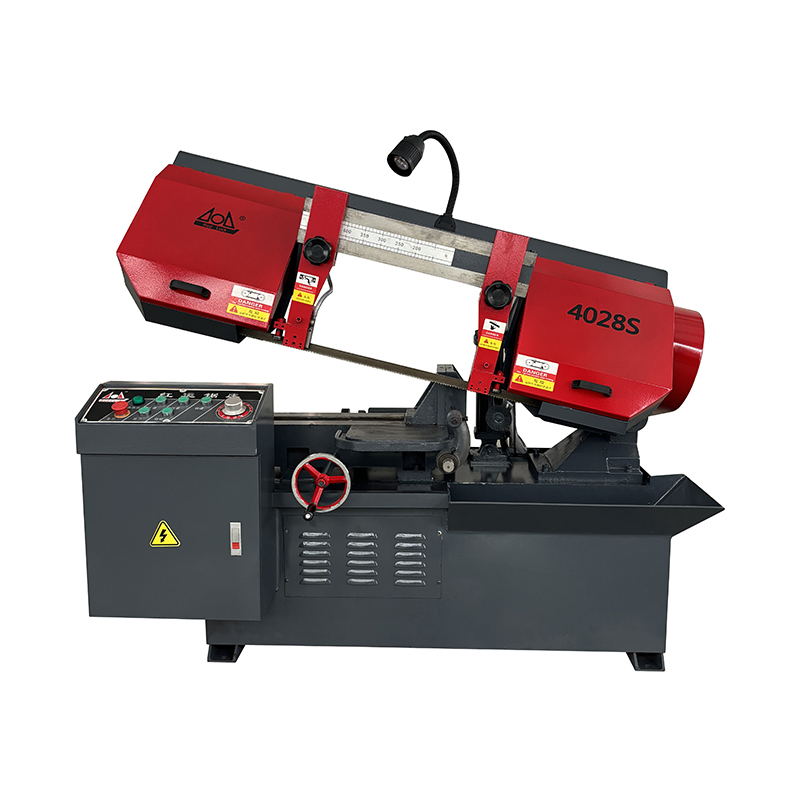
Horizontal Rotating Angle Metal Band Saw Machine Focus on Cutting Capacity and Accuracy
The Horizontal Rotating Angle Metal Band Saw Machine plays an important role in modern metal processing environments where angled cutting and dimensional consistency are daily requirements. As fabrication tasks become more diverse, workshops increasingly look for equipment that can handle different material shapes while maintaining stable cutting results. Cutting capacity and accuracy remain central topics for users evaluating this type of machine, especially in applications involving structural components and metal profiles.
Understanding Cutting Capacity in Daily Production
Cutting capacity is often understood as the machine’s ability to process different material sizes and shapes without compromising performance. In metal fabrication, materials vary widely, including pipes, tubes, solid bars, and structural profiles. A horizontal rotating angle design allows operators to adjust the cutting position according to project needs, which expands the range of workable materials.
Capacity is influenced by several design elements. The width of the cutting area, the rigidity of the frame, and the configuration of the saw arm all contribute to how effectively the machine handles larger or thicker workpieces. A well-designed machine provides enough clearance and structural support to maintain smooth cutting movement, even when dealing with challenging material forms.
Rather than focusing on raw size limits, many users pay attention to how consistently the machine performs across different cutting tasks. Stable capacity supports smoother workflow planning and reduces interruptions caused by frequent setup changes.
The Role of Angle Rotation in Precision Cutting
Angle rotation is a defining feature of this machine type. Instead of repositioning the workpiece manually, the saw frame or cutting head rotates to achieve the desired cutting angle. This design helps reduce handling effort and supports more consistent angle alignment.
Accuracy during angled cutting depends on the stability of the rotation mechanism. A solid rotation structure helps maintain alignment throughout the cutting process. When the rotating assembly remains firm, the blade follows a predictable path, which contributes to cleaner cut surfaces and better dimensional control.
Mechanical alignment features, combined with clear angle reference indicators, also assist operators in setting up cuts with confidence. These elements reduce reliance on repeated manual measurement and support repeatable results across multiple workpieces.
Factors That Influence Cutting Accuracy
Accuracy in band sawing is not defined by a single component. It results from the interaction of multiple systems working together. Blade guidance plays a key role, as properly supported blades remain stable during contact with the material. Good guidance reduces deviation and supports straight cutting paths.
Material clamping is another critical factor. Secure clamping prevents movement during cutting, which is especially important when working with angled cuts. Even slight material shifts can affect the final cut quality, so reliable clamping mechanisms contribute directly to accuracy.
Feed control also affects precision. A smooth and balanced cutting feed allows the blade to work steadily through the material. Sudden changes in cutting pressure can lead to uneven surfaces or blade wear, which may impact dimensional consistency over time.
Accuracy Requirements Across Applications
Different industries have varying expectations for cutting accuracy. In structural fabrication, consistent angles help ensure proper fit during assembly. In pipe processing, accurate cuts support better alignment in welding and joining operations. For workshops handling repeated orders, consistency from one piece to another supports efficiency and reduces rework.
A Horizontal Rotating Angle Metal Band Saw Machine that maintains accuracy across diverse applications provides long-term value. Users often evaluate machines based on how reliably they meet daily production requirements rather than isolated performance scenarios.
Balancing Capacity and Accuracy in Equipment Selection
Choosing the right machine involves balancing cutting capacity with the accuracy needs. A machine designed with a stable structure and thoughtful rotation mechanism supports both goals without unnecessary complexity. Buyers often consider how the machine fits into their existing workflow and whether it can adapt to future production demands.
Cutting capacity and accuracy remain essential considerations for users of horizontal rotating angle band saw machines. Through stable structural design, reliable rotation systems, and coordinated cutting components, this equipment supports efficient and consistent metal processing. Understanding how these factors work together helps users make informed decisions when selecting machinery for long-term fabrication needs.


Provide customers with pre-sales professional training, installation, and debugging during sales, solve practical operation problems, and provide long-term technical consultation.
-

+86-0578-3016831
-

+86-0578-3016831
-

-

No. 39, Yahua Road, New District, Huzhen Town, Jinyun County
Copyright © Zhejiang Hongyun Sawing Machine Co., Ltd.

Metal Band Sawing Machine Manufacturer