

 English
 中文简体
中文简体 русский
Horizontal Rotating Angle Metal Band Saw Machine Design Insights on Structure and Stability
The Horizontal Rotating Angle Metal Band Saw Machine depends heavily on structural design to deliver stable and reliable cutting performance. In metal processing environments, structural stability influences not only cutting quality but also machine durability and operator confidence. For this reason, structure and stability are frequently discussed topics among users evaluating this category of equipment.
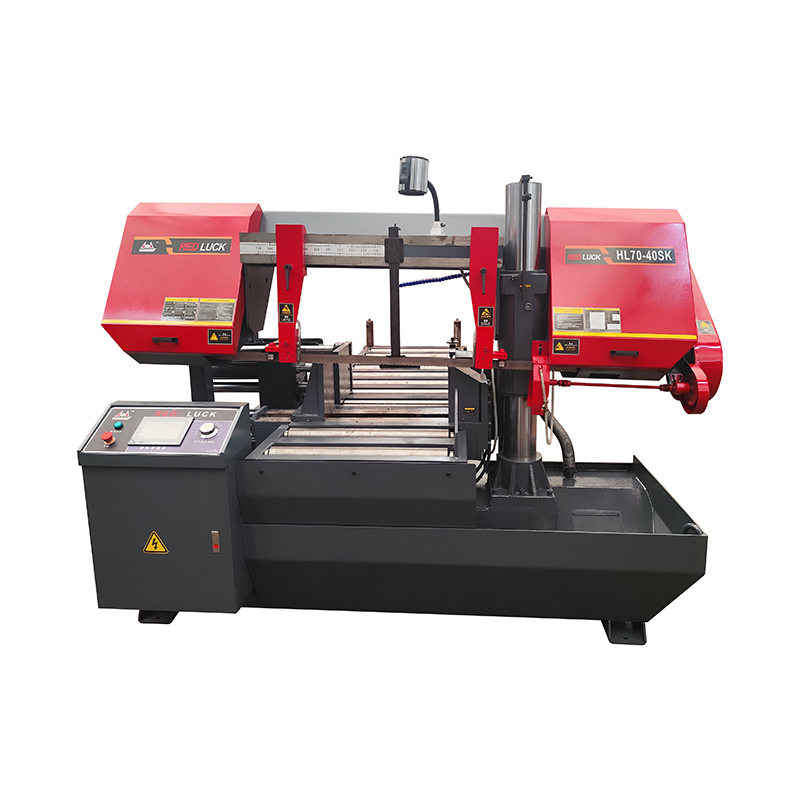
Structural Integrity as a Foundation of Performance
Metal cutting generates continuous forces that act on the machine frame, cutting arm, and rotation mechanism. A structurally sound design absorbs these forces and distributes them evenly throughout the machine. This balance helps maintain alignment during cutting and supports consistent blade movement.
Structural integrity also affects how the machine responds to long-term use. Designs that emphasize rigidity tend to maintain their geometry over extended operation, which supports reliable cutting behavior and reduces the need for frequent recalibration.
Frame Construction and Load Distribution
The frame serves as the backbone of the machine. A well-designed frame provides stable support for the cutting components and helps manage the weight of the workpiece. Proper load distribution reduces localized stress and contributes to smoother operation.
Reinforced structural elements enhance stability during angled cutting, where forces are applied from varying directions. By maintaining consistent support throughout the rotation range, the machine delivers predictable cutting behavior regardless of cutting position.
Base Design and Operational Balance
The machine base plays an important role in overall stability. A solid base helps anchor the machine during operation and reduces movement caused by cutting forces. This foundation supports the smooth motion of the cutting arm and the rotation assembly.
Balanced design also contributes to operational comfort. When the machine remains steady during cutting, vibration is reduced, which improves cutting quality and creates a more controlled working environment.
Blade Guidance and Alignment Support
Blade guidance systems are essential for maintaining cutting stability. Properly aligned guides help keep the blade on a consistent path as it engages the material. This alignment supports uniform cut surfaces and reduces irregular wear on the blade.
Stable guidance becomes particularly important when cutting angled profiles. As the cutting direction changes, reliable blade support helps maintain accuracy and prevents deviation from the intended cutting line.
Managing Vibration in Metal Cutting Operations
Vibration is a natural result of metal cutting, but excessive vibration can affect both cutting quality and machine longevity. Structural design that limits vibration helps maintain smooth cutting motion and protects mechanical components.
Rigid connections, balanced assemblies, and thoughtful support placement all contribute to vibration control. Reduced vibration not only improves cutting results but also supports quieter operation and better working conditions for operators.
Structural Design and Maintenance Considerations
Stable structural design simplifies maintenance tasks. When components remain properly aligned, inspection and routine servicing can be carried out more efficiently. Reduced vibration also helps extend the service life of bearings, guides, and moving parts.
Accessibility is another design consideration. Machines that allow easy access to key structural components support regular maintenance without compromising rigidity. This balance between accessibility and stability is important for long-term usability.
Adaptability to Different Working Conditions
Workshops vary in layout and production focus. A structurally stable machine adapts more easily to different working conditions, whether handling long materials or frequent angle adjustments. Stability supports flexibility without sacrificing cutting performance.
This adaptability allows the machine to serve multiple roles within a facility, supporting varied fabrication tasks over time.
Structure and stability are central to the performance of horizontal rotating angle band saw machines. Through solid frame construction, balanced base design, reliable blade guidance, and effective vibration control, these machines provide dependable cutting performance. Understanding structural design principles helps users evaluate equipment that supports consistent operation and long-term reliability in demanding metal processing environments.


Provide customers with pre-sales professional training, installation, and debugging during sales, solve practical operation problems, and provide long-term technical consultation.
-

+86-0578-3016831
-

+86-0578-3016831
-

-

No. 39, Yahua Road, New District, Huzhen Town, Jinyun County
Copyright © Zhejiang Hongyun Sawing Machine Co., Ltd.

Metal Band Sawing Machine Manufacturer