

 English
 中文简体
中文简体 русский
Cutting Angel 0-60 Saw Machine: Selecting the Right Specifications for Your Materials
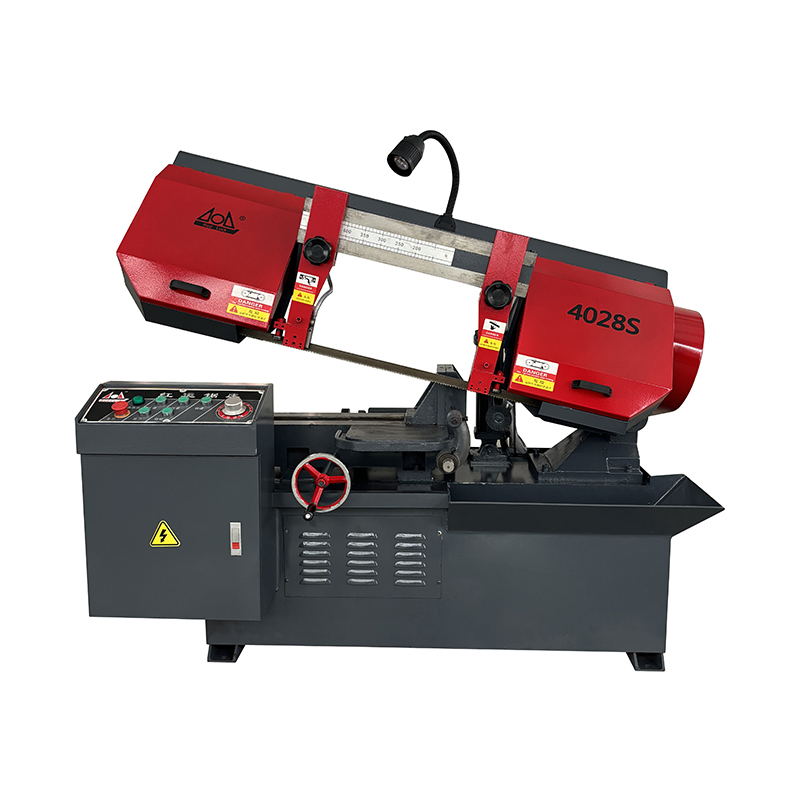
A metal cutting saw is not a one-size-fits-all tool. Its effectiveness is directly tied to how well its specifications align with the materials it will process. Selecting a Cutting Angle 0-60 Saw Machine involves careful consideration of the metals you work with most often, their sizes, and the nature of your projects. Understanding key specifications ensures the machine you choose will perform reliably and deliver the results you require without undue strain on the equipment or the operator.
Matching the Machine to the Metal Type
Different metals present different challenges during cutting. For general-purpose work with mild steel and structural steel tubing, a standard configuration with a robust motor and a general-purpose bi-metal blade is often sufficient. However, cutting harder alloys like stainless steel demands more from the machine. A configuration with additional power is advisable to maintain cutting force, and the ability to run at a slower blade speed can help manage heat and extend blade life. Conversely, non-ferrous metals like aluminum require a different approach. They are best cut at higher blade speeds with a blade featuring a specific tooth design to clear material efficiently and prevent loading. Some setups may benefit from the use of a cutting lubricant for these materials.
Considering Material Size and Capacity
The machine's stated capacity—for example, its ability to cut a round bar or a square tube of certain dimensions—is a practical starting point. It is a wise practice to choose a machine with a capacity that exceeds your most common tasks. This provides a margin for occasional larger jobs and prevents the machine from operating at its maximum limit during regular use, which can contribute to longer service life and maintained accuracy. The clamping system must also be considered; larger, heavier material benefits from a powerful hydraulic or pneumatic clamp to ensure it remains immovable throughout the cut.
Motor and Power Considerations and Blade Selection
Selecting a suitable motor and power rating ensures the machine can handle the hardness and thickness of materials. Different metals require specific feed speeds and blade tensions to prevent uneven cuts or material damage.
Blade type and size should be chosen based on the material being processed. Using the correct blade enhances cut quality and reduces wear, extending blade life. Operators are advised to select blades designed for the specific metal being worked on.
Cutting Capacity
Material dimensions, especially at angled cuts, must be considered when selecting a saw. While the machine accommodates various sizes, operators should check the allowable material dimensions at each angle to maintain safe and precise operations.
Key Operational Specifications
Beyond material compatibility, several core specs define the machine's character. Motor power determines the machine's ability to push through cuts, especially in dense sections. The size and type of the saw blade are crucial; a larger diameter blade can often handle a greater cutting capacity, and the choice between carbon steel, bi-metal, or carbide-tipped blades has implications for cut quality and long-term consumable costs. Finally, the choice between manual, semi-automatic, or fully automatic operation affects production pace and operator involvement. Evaluating your typical workflow—whether it involves frequent angle changes, long production runs, or one-off custom pieces—will guide this decision, helping you select a Cutting Angle 0-60 Saw Machine that fits your operational rhythm.


Provide customers with pre-sales professional training, installation, and debugging during sales, solve practical operation problems, and provide long-term technical consultation.
-

+86-0578-3016831
-

+86-0578-3016831
-

-

No. 39, Yahua Road, New District, Huzhen Town, Jinyun County
Copyright © Zhejiang Hongyun Sawing Machine Co., Ltd.

Metal Band Sawing Machine Manufacturer