

 English
 中文简体
中文简体 русский
Cutting Angel 0-60 Saw Machine: Maintenance Tips and Common Troubleshooting
The performance and longevity of any piece of shop equipment are sustained by consistent care. A Cutting Angle 0-60 Saw Machine, with its mechanical and often hydraulic or pneumatic components, benefits greatly from a structured maintenance routine. Proactive upkeep not only helps avoid unexpected breakdowns but also ensures the machine continues to produce accurate, clean cuts throughout its service life. Understanding basic maintenance and how to diagnose frequent issues empowers operators to keep their equipment in reliable working order.
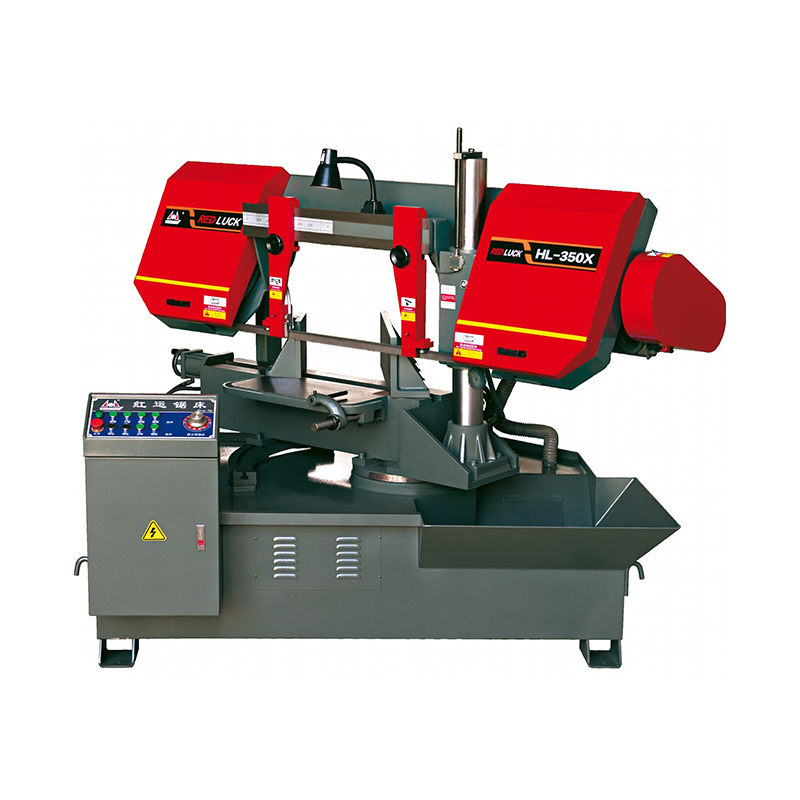
Establishing a Routine Maintenance Schedule
A simple, consistent routine can prevent many common problems. Daily tasks should include clearing accumulated metal chips and debris from the vice, base, and cutting area—use a soft-bristle brush or compressed air (kept at a safe pressure to avoid chip propulsion) as buildup can interfere with movement and clamping. A visual check of the saw blade for signs of dulling, chipped teeth, or secure mounting is also advisable; pay extra attention to blade tension, which affects cut precision. For machines with fluid or air systems, checking levels and pressure at the start of a shift is a good habit, and topping up with manufacturer-recommended fluids prevents component corrosion. On a weekly or monthly basis, attention should turn to lubrication. Applying the correct lubricant to guide rails, pivot points, screw threads, and other moving parts as specified by the manufacturer's guidelines reduces wear and ensures smooth operation. Periodic inspection of belts, hoses, and electrical connections for signs of wear or damage is also recommended, replacing any frayed belts or cracked hoses immediately.
Addressing Frequent Operational Issues
Even with good maintenance, operators may encounter occasional issues. Recognising symptoms and their likely causes is the first step in troubleshooting. If cuts begin to show a taper or are not square, the likely culprits are a misaligned blade (check and adjust blade guides), worn spindle bearings, or a workpiece that is not securely clamped—reposition the workpiece and verify vice pressure. A sudden increase in burrs or a rough finish on the cut surface often indicates that the blade has become dull or is being fed into the material too quickly. Reduce the feed rate or replace the blade with a sharp one that matches the material type. Unusual noises or vibrations during operation can indicate a loose blade, damaged bearings, or issues within the gear drive system—shut down the machine immediately to avoid further damage. For machines with powered clamping, a loss of holding force could stem from low air pressure, a leaking cylinder, or worn vice jaws. Inspect for air leaks and replace worn jaws as needed.
Promoting Safety and Knowing When to Seek Help
A fundamental rule for all maintenance and troubleshooting is safety first. Always disconnect the machine from its power source and relieve any hydraulic or pneumatic pressure before performing inspections, adjustments, or repairs. Wear appropriate PPE such as safety glasses, gloves, and steel-toed boots to protect against hazards. While routine maintenance and basic adjustments are within the scope of a trained operator, more complex mechanical or electrical repairs—such as motor malfunctions or hydraulic system overhauls—should be handled by qualified technicians. Establishing a relationship with a reliable service provider and keeping the machine's manual accessible are important parts of a responsible ownership strategy for your Cutting Angel 0-60 Saw Machine, ensuring it remains a productive asset for years to come.


Provide customers with pre-sales professional training, installation, and debugging during sales, solve practical operation problems, and provide long-term technical consultation.
-

+86-0578-3016831
-

+86-0578-3016831
-

-

No. 39, Yahua Road, New District, Huzhen Town, Jinyun County
Copyright © Zhejiang Hongyun Sawing Machine Co., Ltd.

Metal Band Sawing Machine Manufacturer