

 English
 中文简体
中文简体 русский
CNC Horizontal Metal Band Saw Supports More Consistent Cutting in Modern Metalworking
CNC Horizontal Metal Band Saw equipment is attracting attention from metalworking companies that need stable cutting quality, easier operation, and better control over repeated production tasks. For buyers processing steel bars, tubes, profiles, and other metal stock, cutting accuracy depends on more than the saw itself. Workpiece clamping, blade selection, feeding, coolant delivery, and machine settings all need to work together to keep the cutting process reliable.
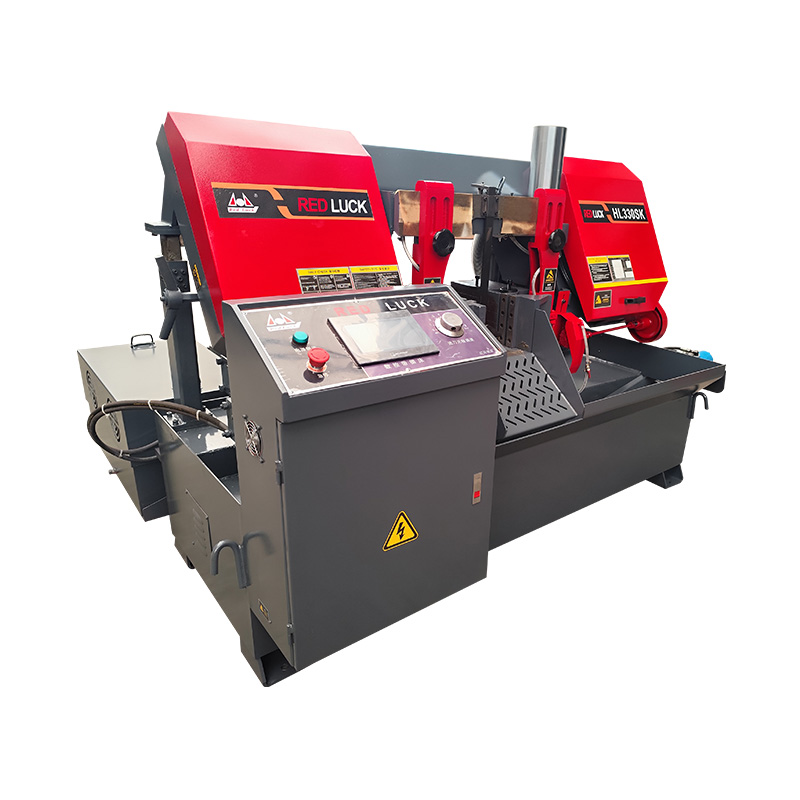
Stable Clamping for Different Metal Profiles
Workpiece movement during cutting can affect the cut surface and increase blade wear. A properly designed clamping system keeps the material firmly positioned while the blade passes through the workpiece. This is particularly important when processing long sections, bundled stock, or profiles with different shapes.
When selecting a CNC horizontal band saw machine, buyers should therefore consider the clamping structure alongside the cutting capacity. The system should match the materials regularly handled in the workshop rather than being selected only according to basic machine specifications.
Blade Selection Matches the Material
Blade choice has a direct influence on cutting performance. Tooth pitch, tooth shape, blade material, and cutting conditions should correspond to the workpiece. A blade that is not suitable for the material may cause vibration, uneven cuts, premature wear, or unnecessary blade replacement.
For manufacturers purchasing a CNC metal cutting saw, discussing the normal material range with the equipment supplier can help determine a practical blade configuration. This is especially useful for workshops that process several types of steel or frequently change between solid and hollow sections.
CNC Control Reduces Repetitive Adjustments
CNC control can make repeated cutting jobs easier to manage by coordinating programmed cutting operations and reducing reliance on manual adjustments. Once suitable parameters have been established for a production task, operators can follow a more consistent process from one workpiece to the next.
This can be useful for factories producing components in batches. It also gives engineering teams a clearer foundation for introducing automatic feeding or other material-handling functions as production requirements develop.
Feed Control Influences Cutting Stability
Feeding pressure needs to remain appropriate for the material and blade condition. Excessive feed can place unnecessary load on the blade, while insufficient feed may reduce cutting efficiency and create unstable contact between the blade and workpiece.
A well-configured CNC horizontal band saw allows operators to coordinate feed movement with blade conditions and material characteristics. From a manufacturing perspective, this balance is an important part of achieving repeatable cutting rather than simply focusing on cutting speed.
Coolant and Chip Removal Matter
Metal sawing generates heat and chips that can interfere with cutting performance if they are not properly managed. Coolant helps control heat and supports smoother blade operation, while effective chip removal keeps the cutting area cleaner.
Buyers should examine the coolant delivery and chip-handling arrangement when comparing industrial band saw machines. These supporting systems may have a direct effect on daily operation, blade service life, and maintenance workload.
Maintenance Should Fit Production Routines
Regular inspection of blades, guides, clamping components, hydraulic systems, coolant, and chip removal equipment helps keep the machine ready for production. Maintenance is easier to manage when service points are accessible and routine checks can be incorporated into the factory's existing workflow.
For overseas buyers, after-sales technical support and access to replacement components can also be important considerations. A machine is part of a long-term production process, so practical maintenance requirements should be evaluated before installation.
Selecting a Saw Around the Application
The right equipment should be based on the actual cutting task, including material type, workpiece shape, production pattern, required automation, and workshop layout. As a manufacturer, we recommend evaluating these factors before final machine configuration rather than relying on general specifications alone. With suitable clamping, blade selection, CNC control, feeding, coolant management, and maintenance planning, a CNC Horizontal Metal Band Saw can become a practical part of a controlled and repeatable metal-cutting workflow.


Provide customers with pre-sales professional training, installation, and debugging during sales, solve practical operation problems, and provide long-term technical consultation.
-

+86-0578-3016831
-

+86-0578-3016831
-

-

No. 39, Yahua Road, New District, Huzhen Town, Jinyun County
Copyright © Zhejiang Hongyun Sawing Machine Co., Ltd.

Metal Band Sawing Machine Manufacturer