

 English
 中文简体
中文简体 русский
Practical Ways to Improve Metal Cutting Workflow with Vertical Band Saw Equipment
Metal fabrication businesses are experiencing changes in production demands as customers request more customized parts, shorter delivery cycles, and flexible manufacturing solutions. Workshops and engineering teams are paying more attention to equipment that can improve cutting accuracy while reducing unnecessary processing steps. A Vertical Metal Band Saw provides a practical solution for companies working with different metal materials, helping operators manage detailed cutting tasks with better control and supporting more efficient workshop operations.
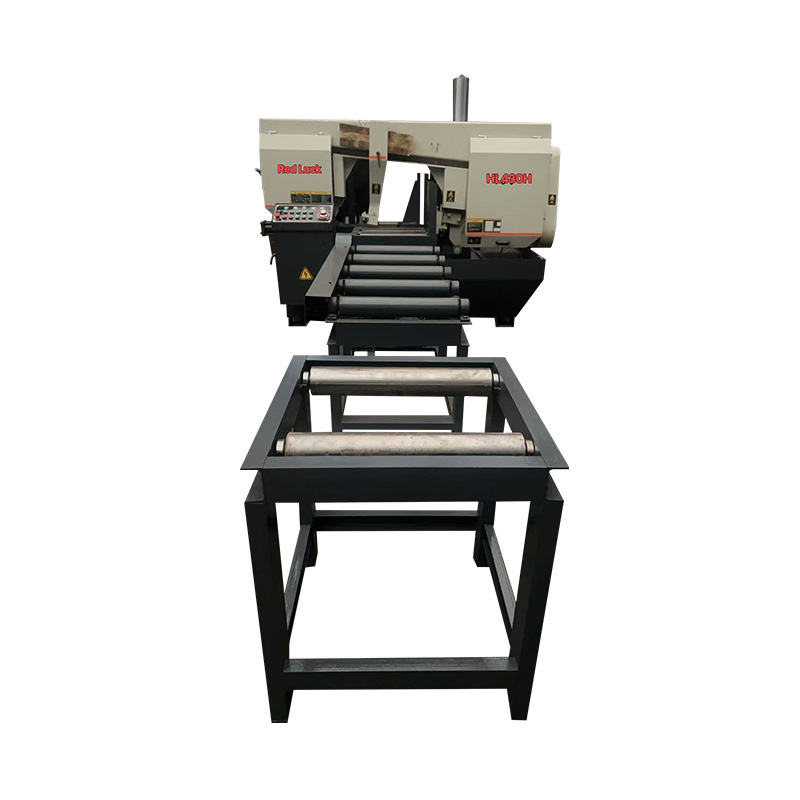
Handling Customized Cutting Tasks in Modern Workshops
Many fabrication projects today are no longer limited to standard-size components. Businesses often need to process different shapes, thicknesses, and material types within the same production environment. This creates challenges when equipment lacks flexibility or requires frequent adjustments.
Vertical band saw machines are suitable for applications where operators need direct control over the cutting process. They can be used for preparing metal pieces, shaping profiles, and producing customized parts for machinery, construction equipment, and repair projects. This flexibility makes them valuable for workshops that handle a wide variety of customer requirements.
Improving Efficiency by Reducing Unnecessary Processing Steps
Production efficiency is not only related to cutting speed. Engineers also consider how much additional work is needed after cutting. Poor cutting quality may require extra grinding, correction, or surface treatment, which can increase labor time.
A properly selected vertical metal cutting machine helps create cleaner cutting results by maintaining stable blade movement and supporting accurate material positioning. For companies managing frequent orders, improving the cutting process can help create a smoother workflow from raw material preparation to final assembly.
When evaluating equipment, buyers often focus on:
- Machine stability during continuous operation.
- Compatibility with different blade types.
- Adjustment convenience for various materials.
- Space requirements in the production area.
These practical factors influence how well the equipment fits into daily manufacturing activities.
Choosing the Right Configuration for Different Materials
Different metals require different cutting approaches. Steel, stainless steel, aluminum, and other alloys may have different hardness levels and processing characteristics. Using unsuitable settings can affect blade lifespan and cutting consistency.
Before purchasing equipment, engineers usually review their common applications and production conditions. Important points include:
- Material dimensions and shapes.
- Expected cutting frequency.
- Required accuracy level.
- Available workspace and operator experience.
Selecting a suitable machine configuration helps businesses avoid operational problems and improve equipment utilization over time.
Maintaining Stable Performance Through Proper Operation
Regular maintenance plays an important role in keeping metal cutting equipment working effectively. Many operational issues are related to daily handling rather than machine design itself.
Simple maintenance practices can support better results:
- Inspect blade condition before production.
- Keep the cutting area clean from metal chips.
- Check tension and alignment regularly.
- Follow recommended operating procedures.
These steps help reduce unexpected interruptions and allow operators to maintain consistent cutting quality during different production tasks.
Meeting the Needs of Global Metal Fabrication Buyers
Overseas buyers are increasingly interested in equipment that offers practical value for long-term use. Instead of focusing only on specifications, procurement teams often evaluate reliability, technical support, and whether the machine can solve real production challenges.
For international customers, clear product information and application guidance are important when comparing suppliers. Understanding the working environment, material requirements, and production goals allows buyers to select equipment that matches their business needs more effectively.
Supporting Flexible Manufacturing with Better Cutting Solutions
As fabrication businesses continue to handle more diverse projects, flexible equipment has become an important part of workshop planning. Companies need machines that can support different applications while maintaining stable operation and manageable maintenance requirements.
A Vertical Metal Band Saw helps businesses improve metal processing flexibility by providing controlled cutting performance for various materials and applications. With suitable machine selection and proper operating methods, users can build a more efficient workflow and achieve dependable results through a well-applied Vertical Metal Band Saw solution.


Provide customers with pre-sales professional training, installation, and debugging during sales, solve practical operation problems, and provide long-term technical consultation.
-

+86-0578-3016831
-

+86-0578-3016831
-

-

No. 39, Yahua Road, New District, Huzhen Town, Jinyun County
Copyright © Zhejiang Hongyun Sawing Machine Co., Ltd.

Metal Band Sawing Machine Manufacturer